

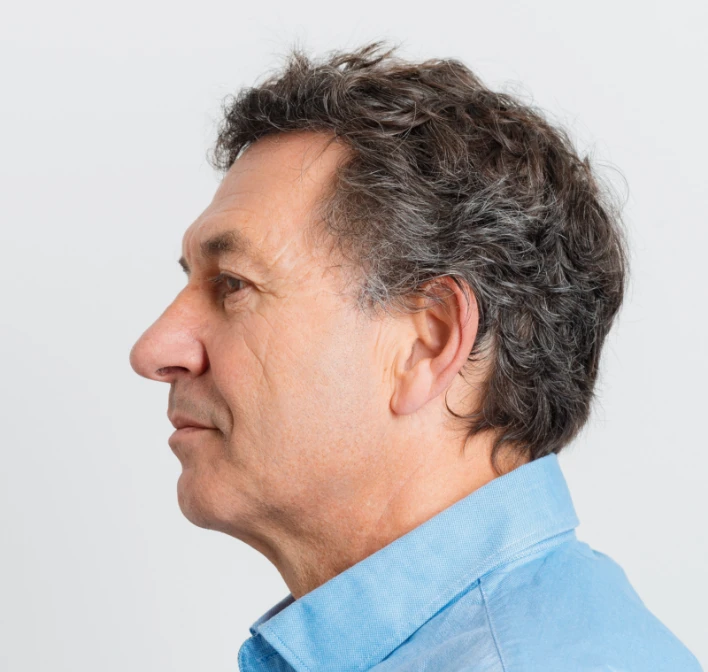
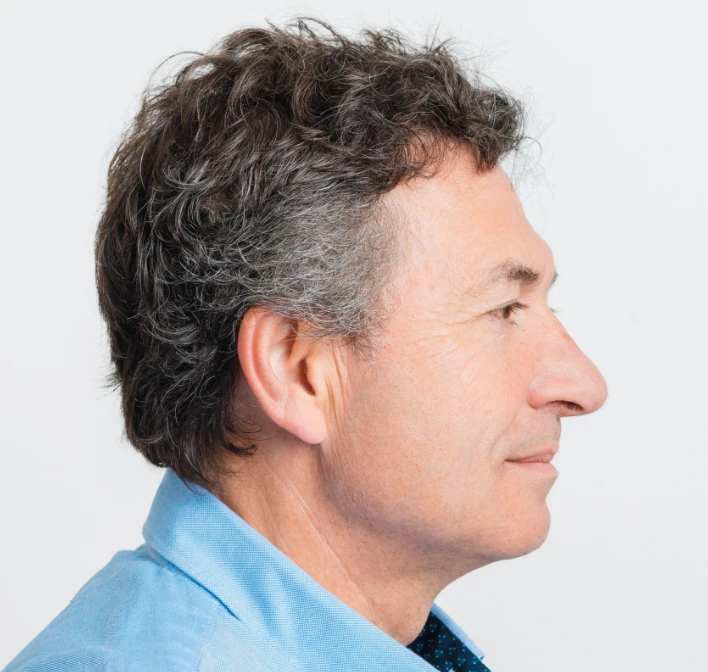
Hair transplant results: before | after
Hair Transplant with guaranteed results
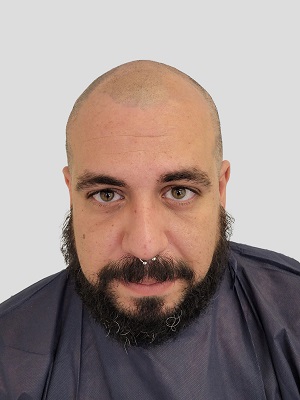
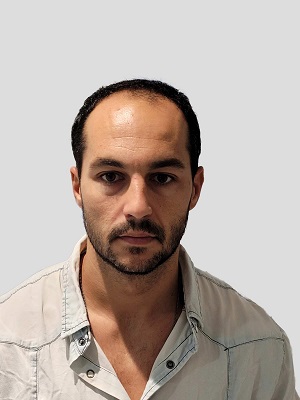
Results after 12 months from Capilclinic clients
Axel Granados

3000 UFS




Ángel Aguilera
3200 UFS
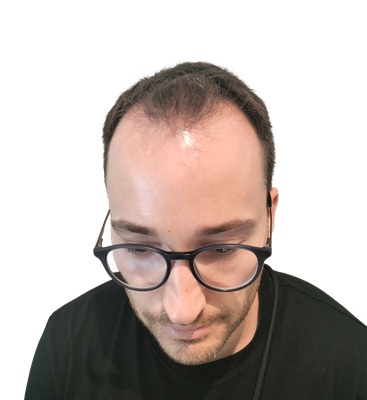



Carlos García
3650 UFS




Ismael Gracia
3100 UFS
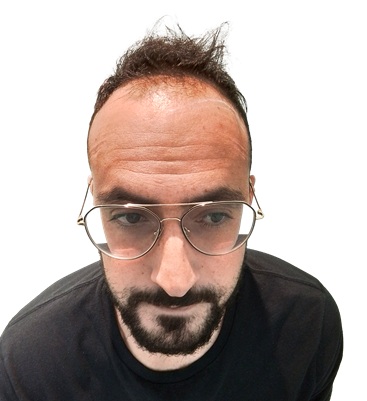


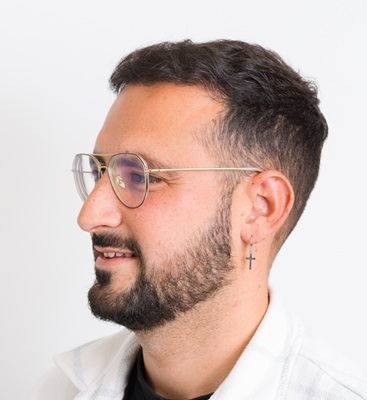
Joel Castellano
3004 UFS




Álex Albarce
3600 UFS
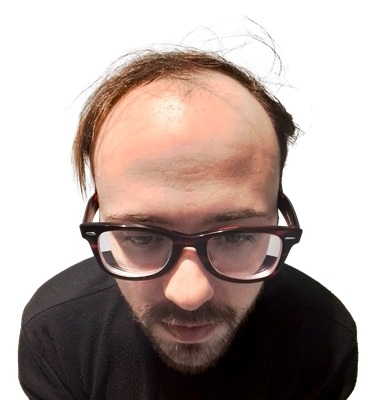



Daniel Henández
3650 UFS




Adrián Moreno
2800 UFS
.jpg)
.jpg)
.jpg)
Albert Asensio
3350 UFS

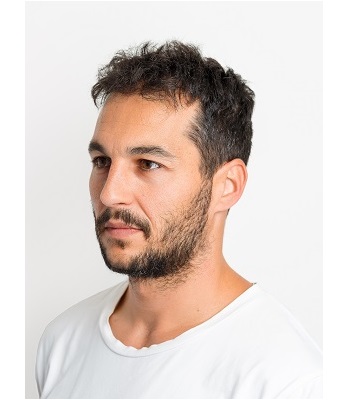
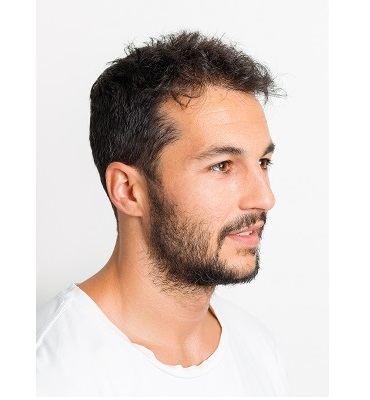
Andrés Camilo
2900 UFS
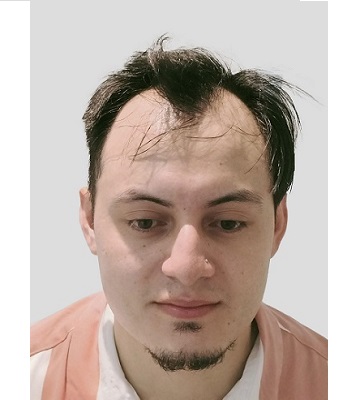

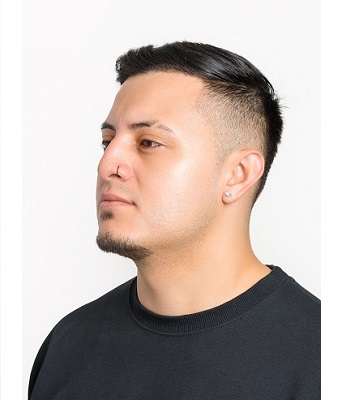
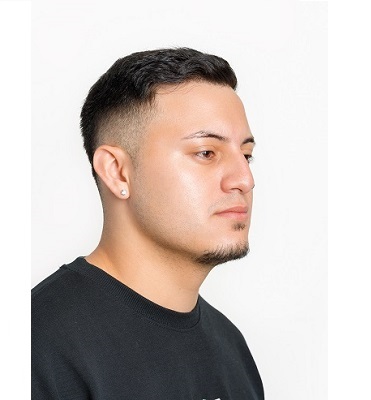
Cristian Tormo
2870 UFS


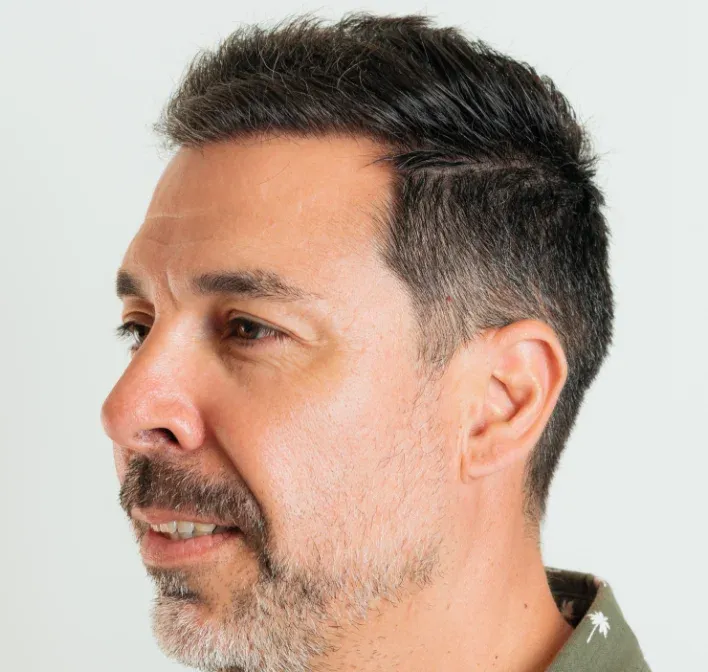
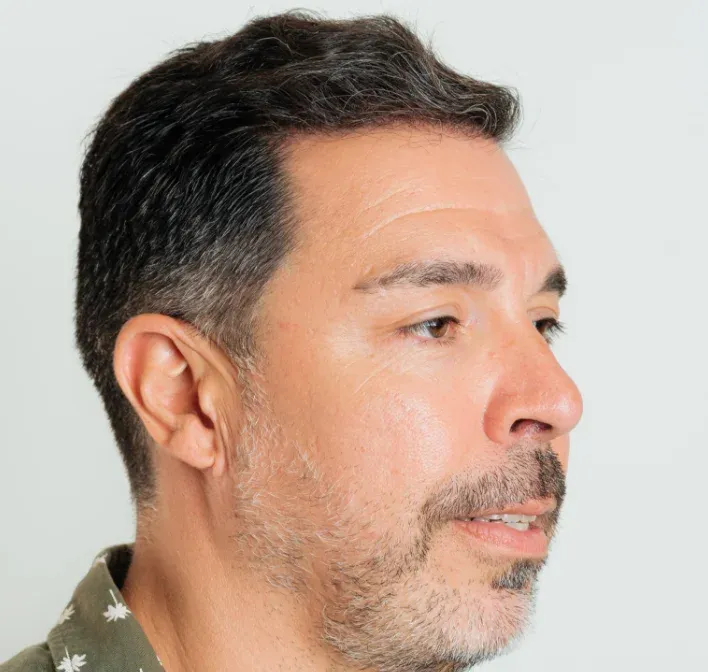
Alberto Gongora
4000 UFS
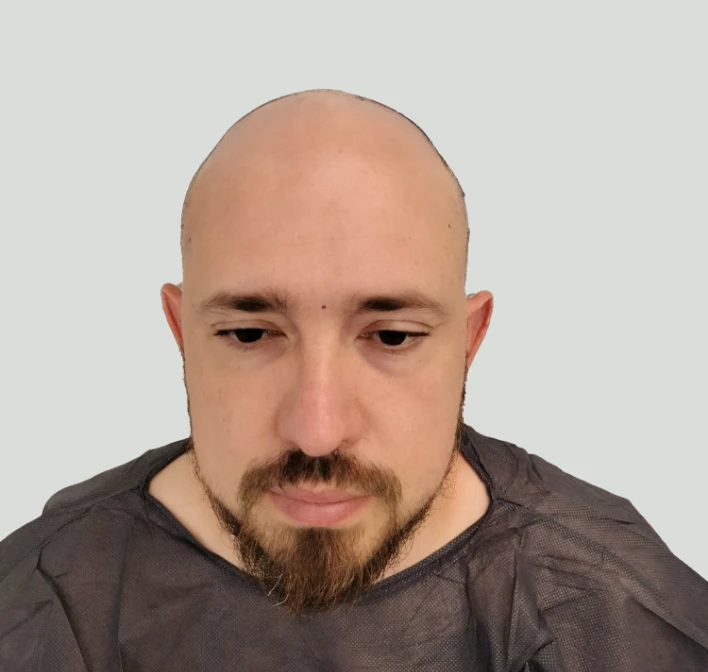


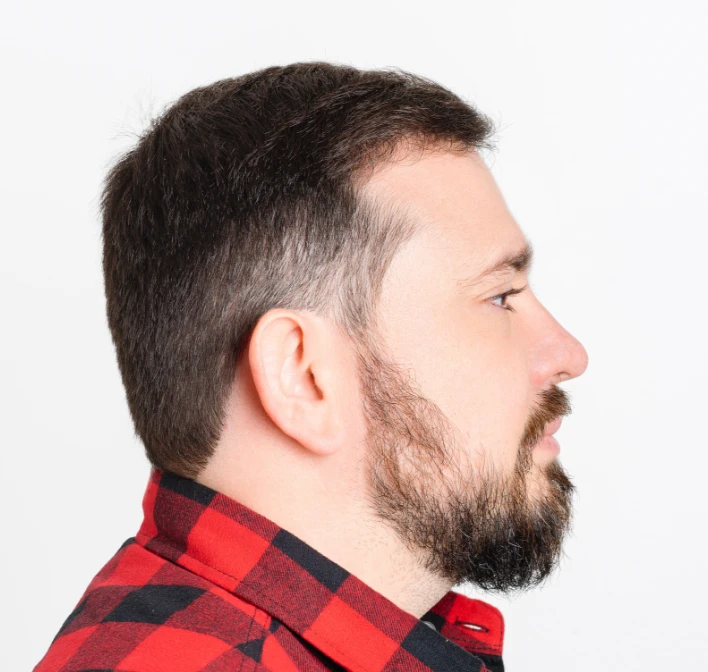
Antonio Jesus
2600 UFS


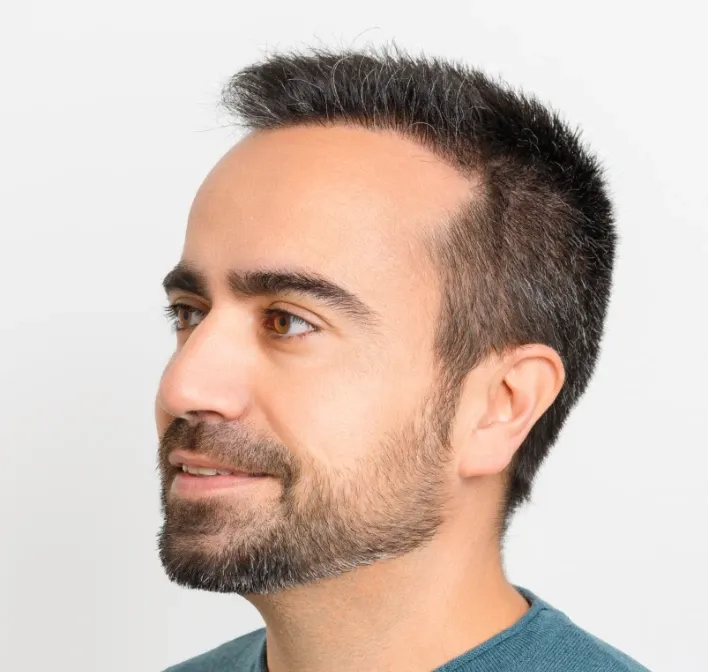
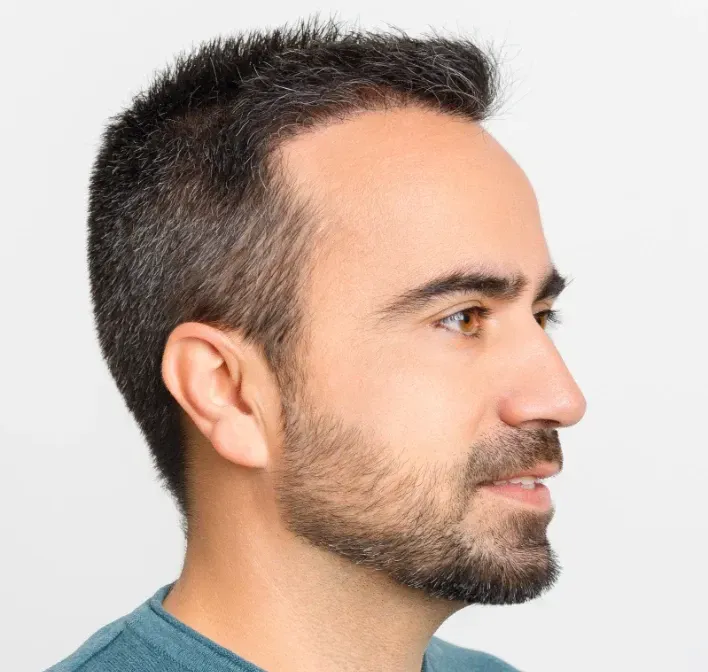
Francisco del Rio
3200 UFS



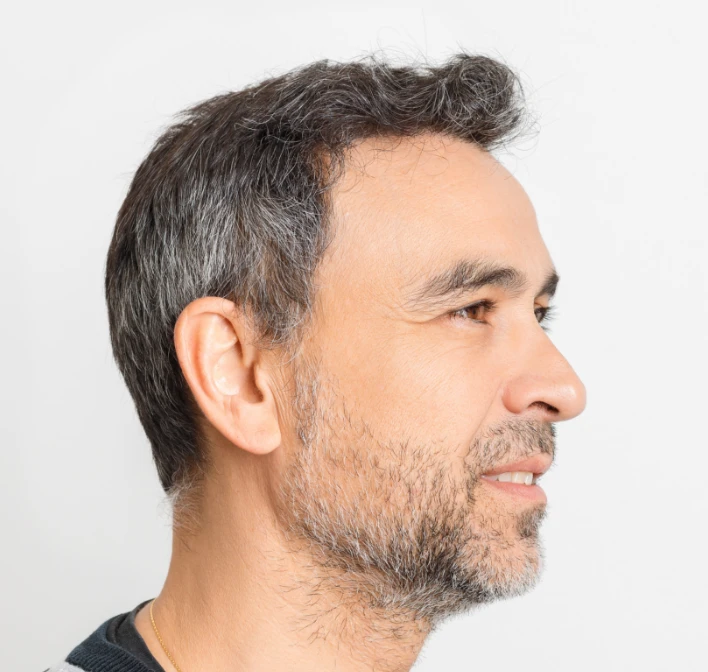
Jordi Moreno
2650 UFS




Gerardo Hernandez
3100 UFS
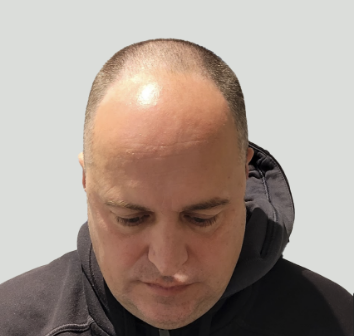


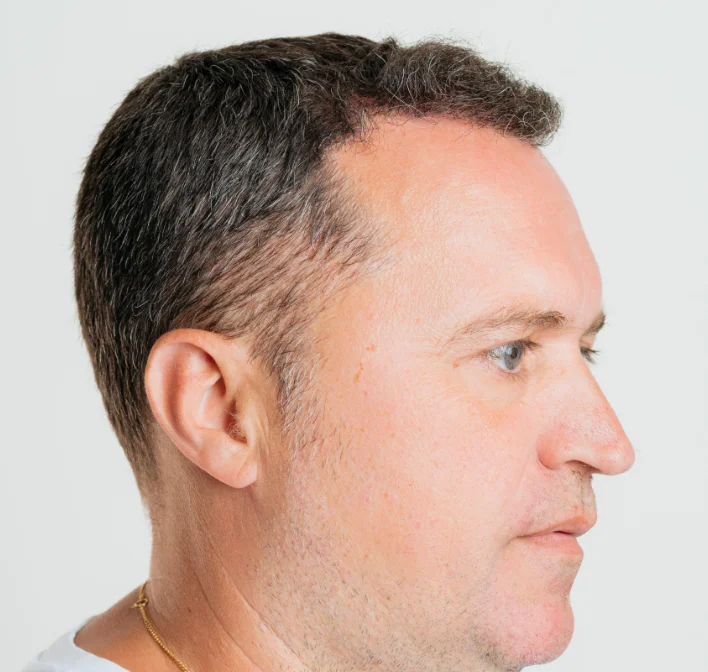
Andrián Parron
3000 UFS
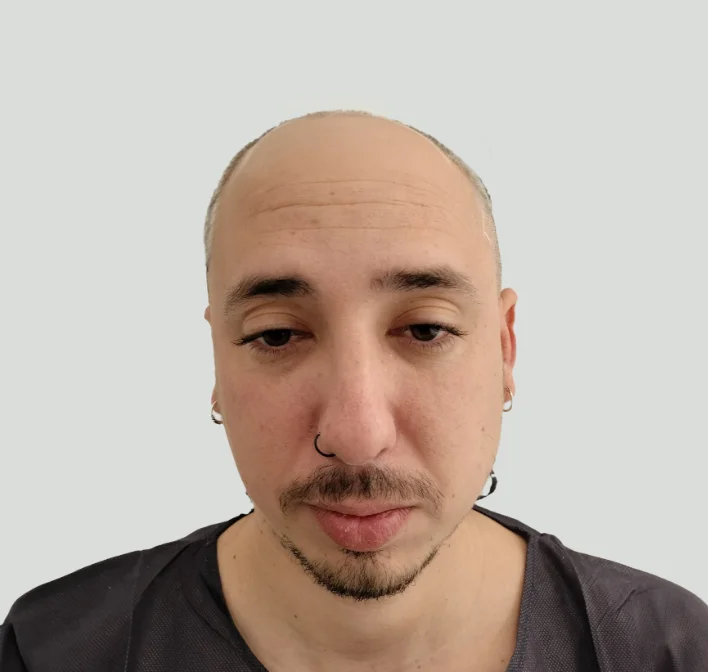

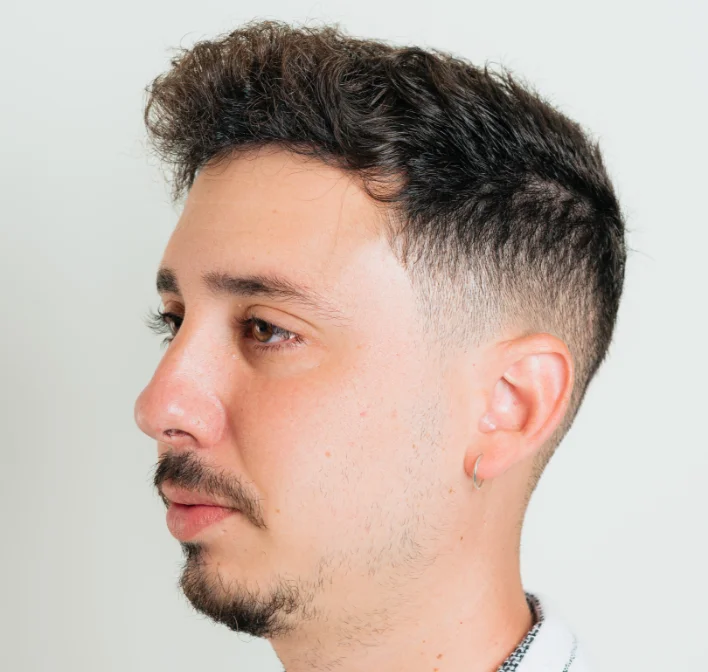
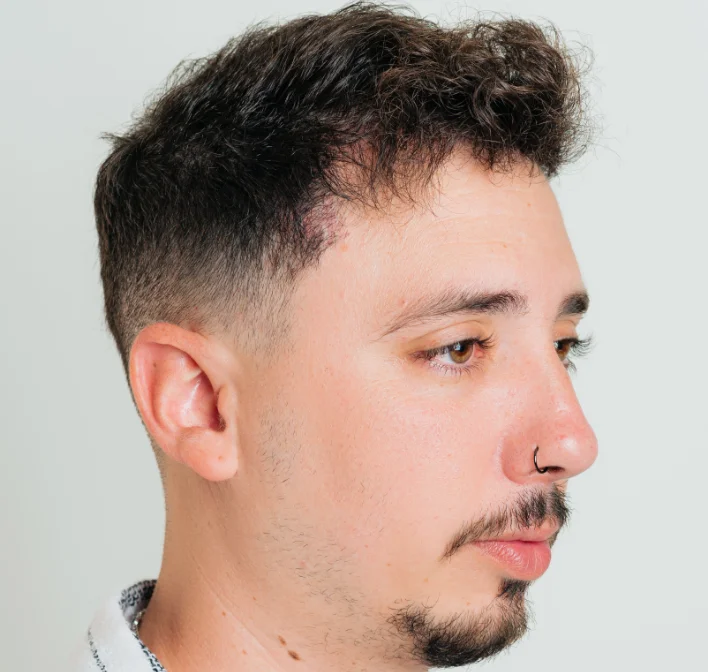
Albert Alverola
3050 UFS




Victor Rodriguez
3250 UFS


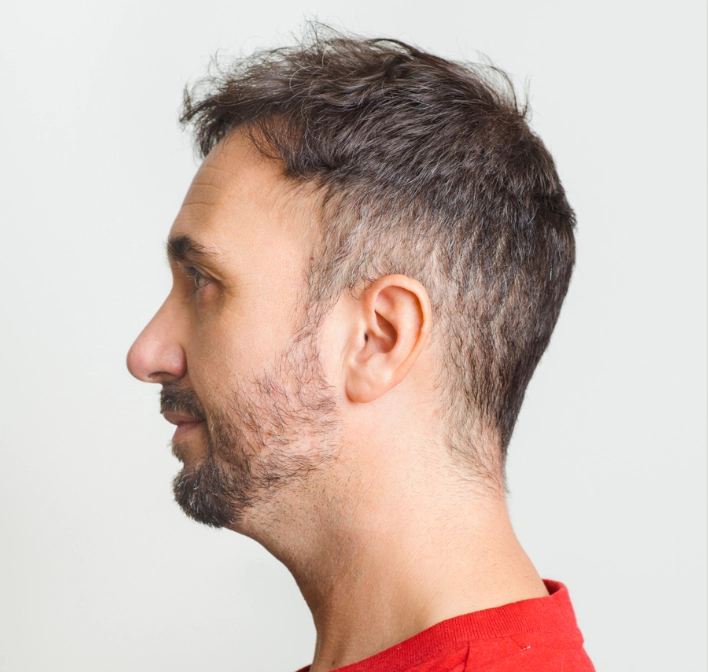
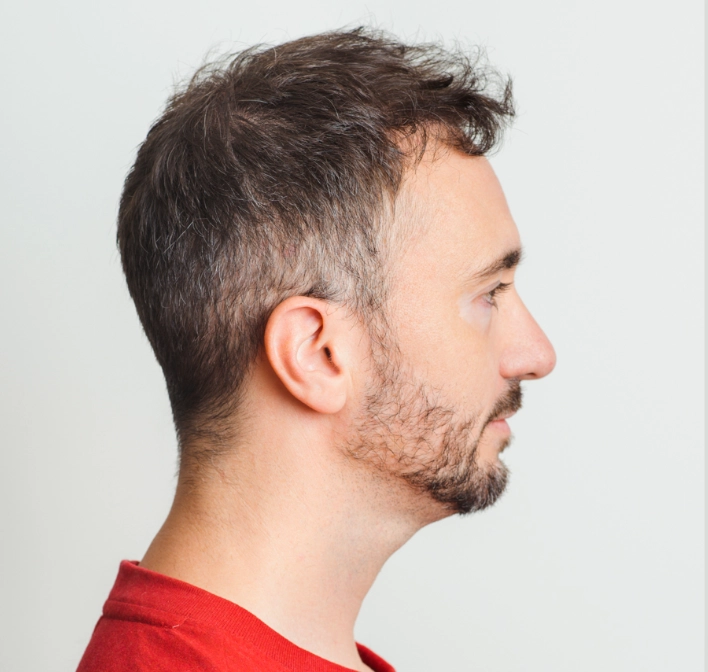
Andres Oliva
3000 UFS
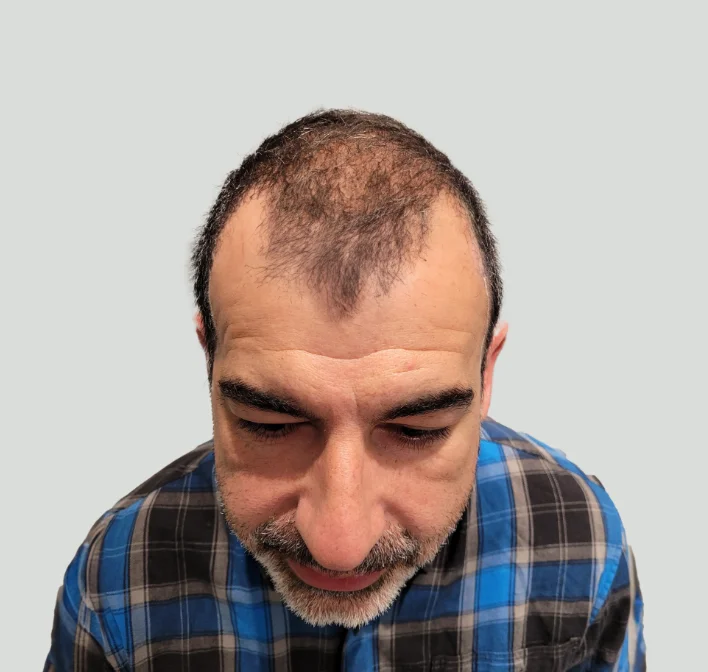

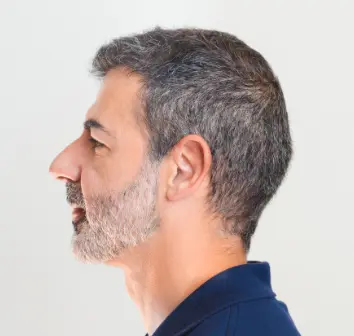
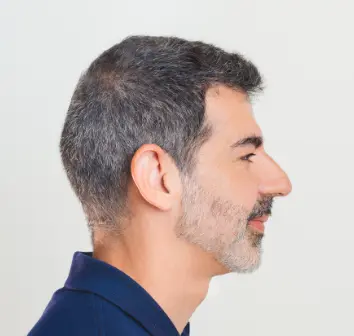
Eloy Álvarez
3050 UFS
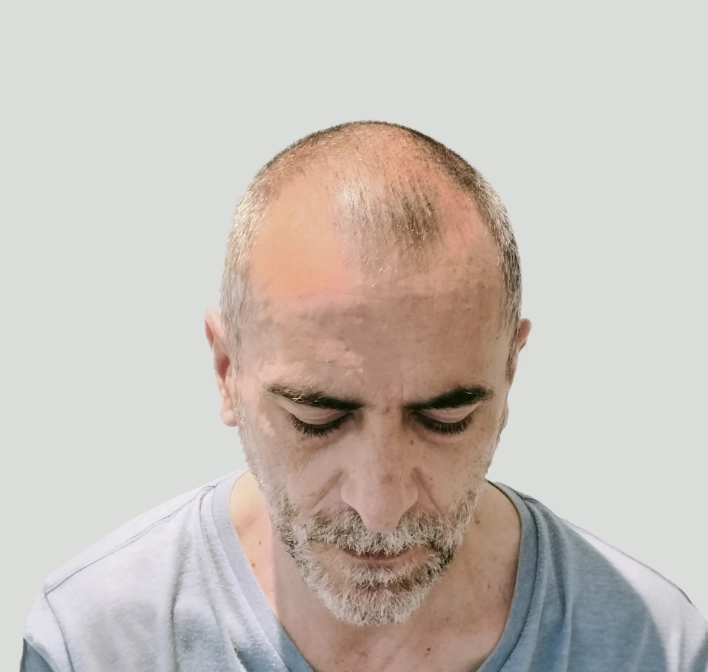
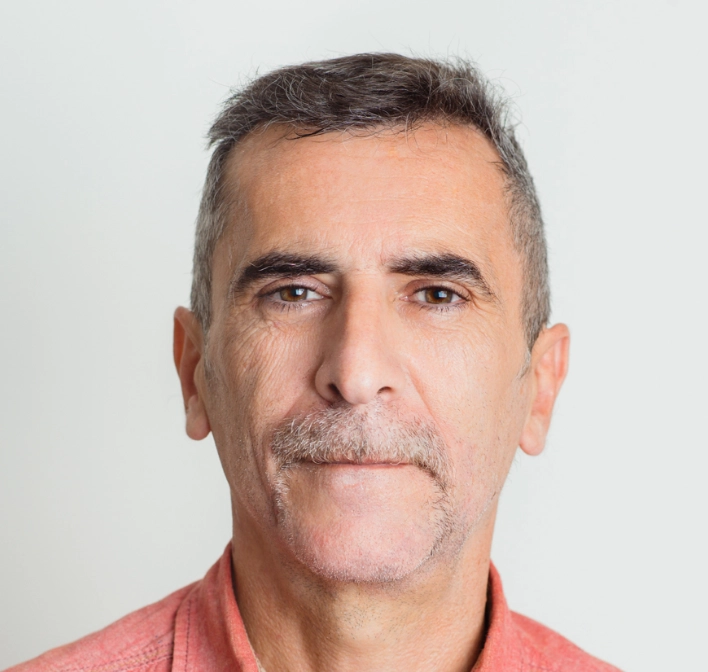
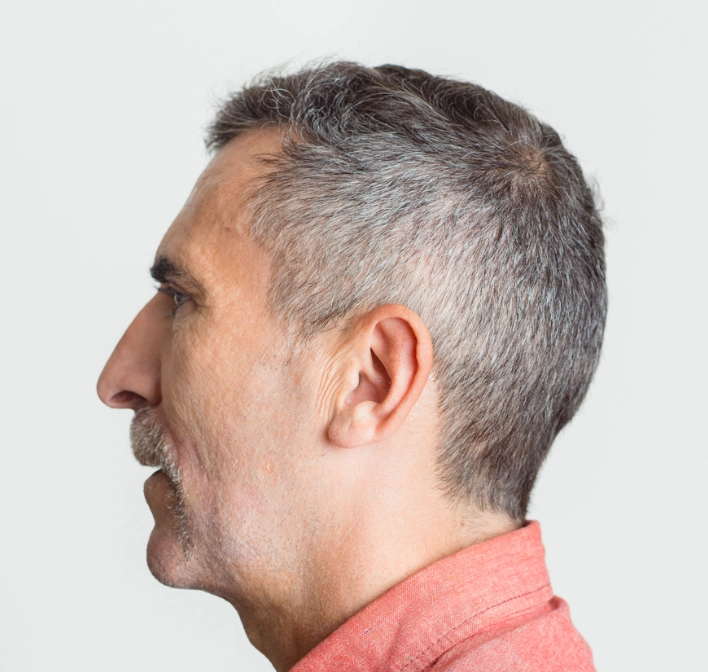
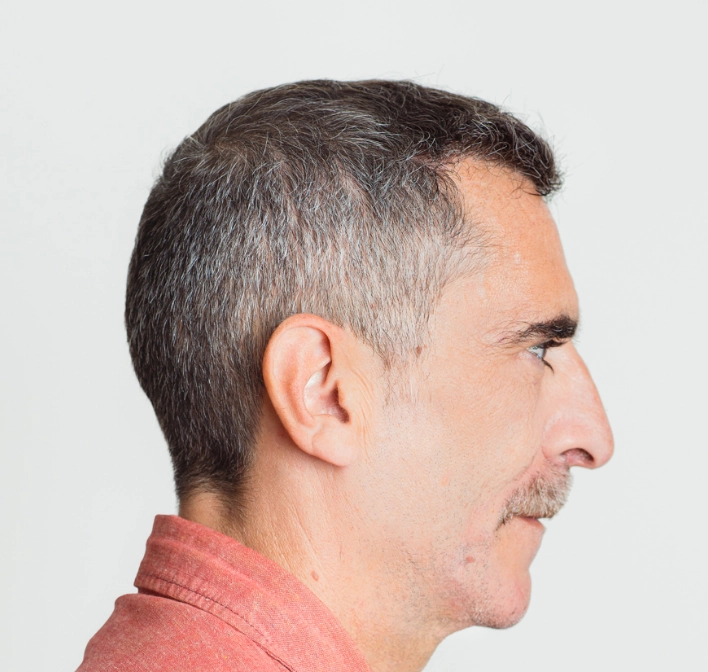
David Torralba
3050 UFS
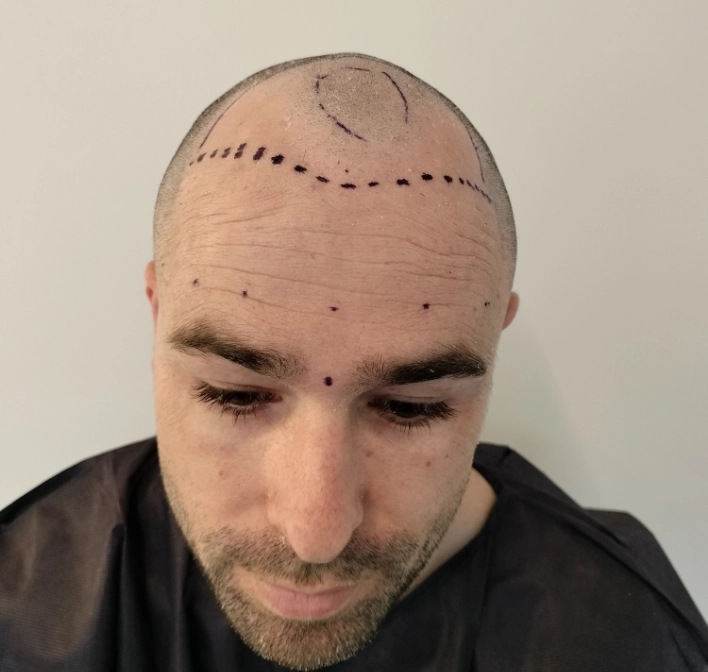

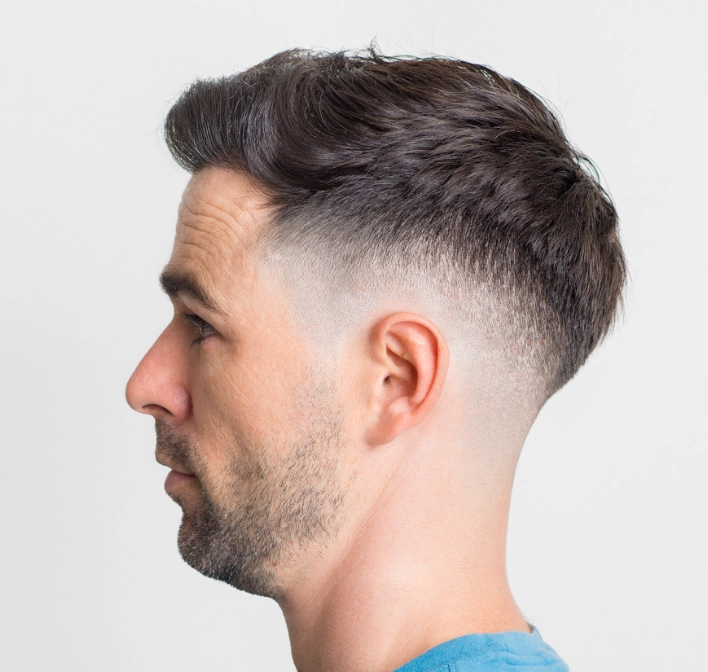
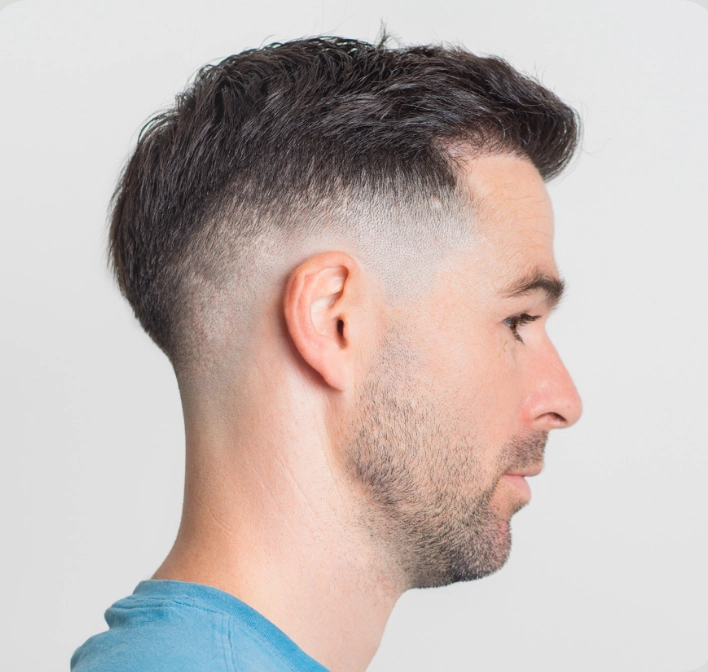
Jinmourris Hernandez
4300 UFS
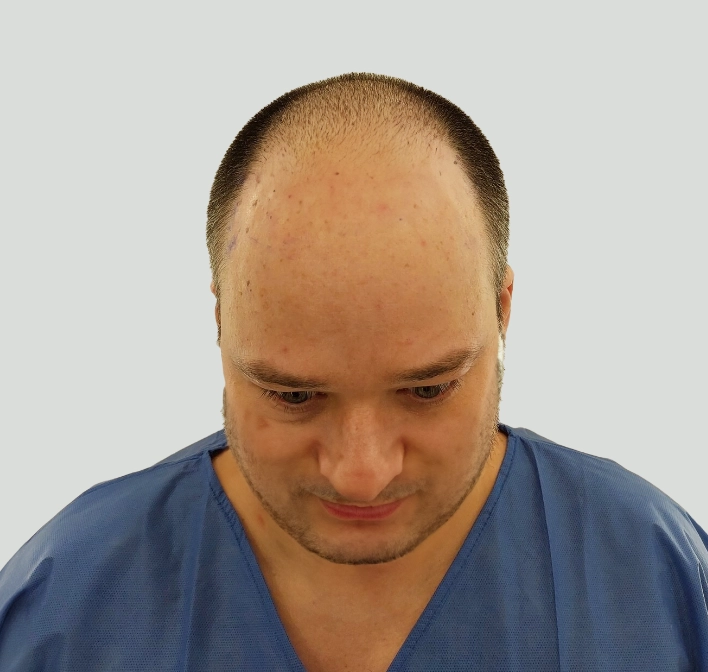


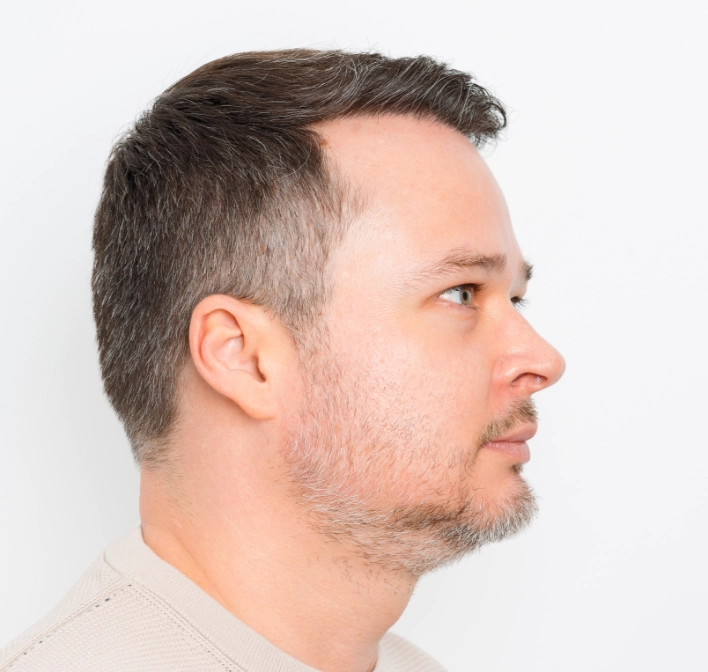
Borja Viñales
2630 UFS
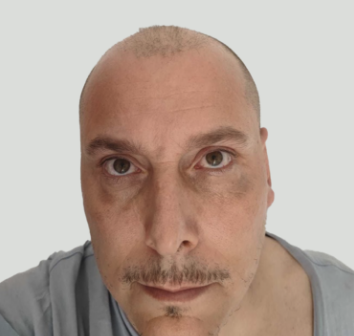

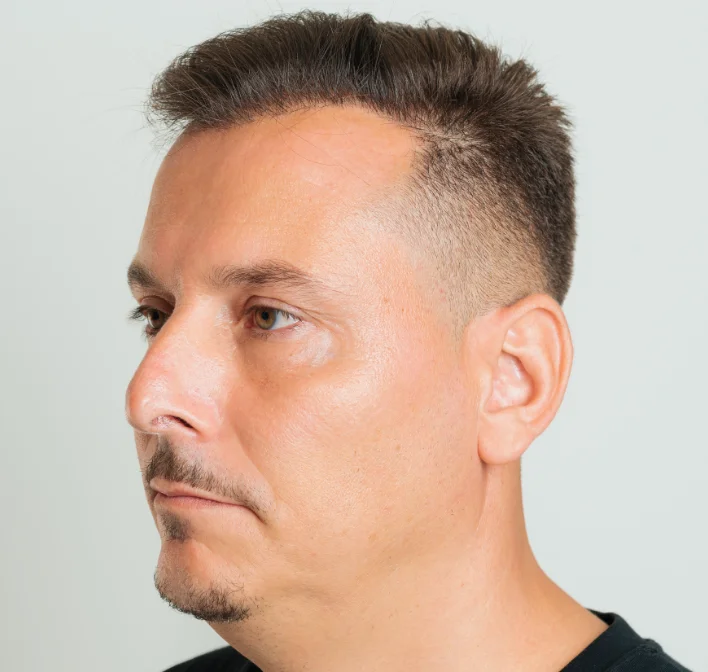
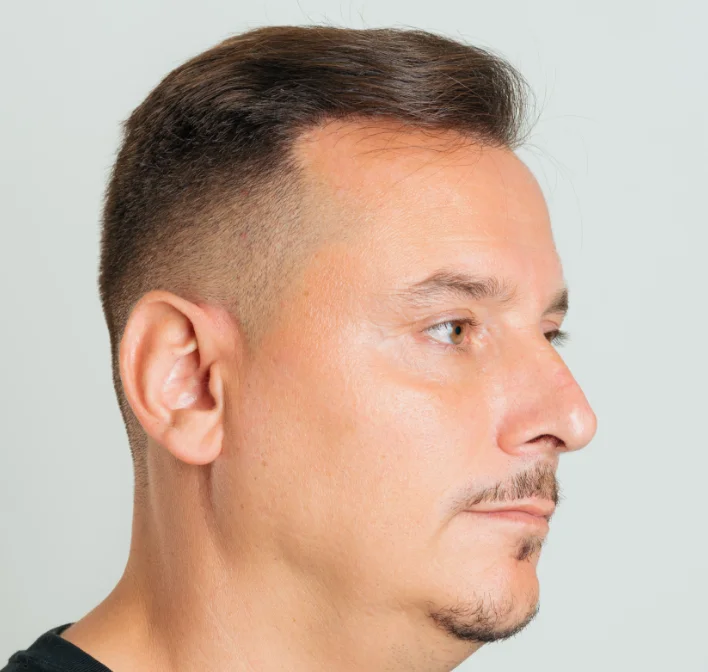
Luca Bilotta
3250 UFS
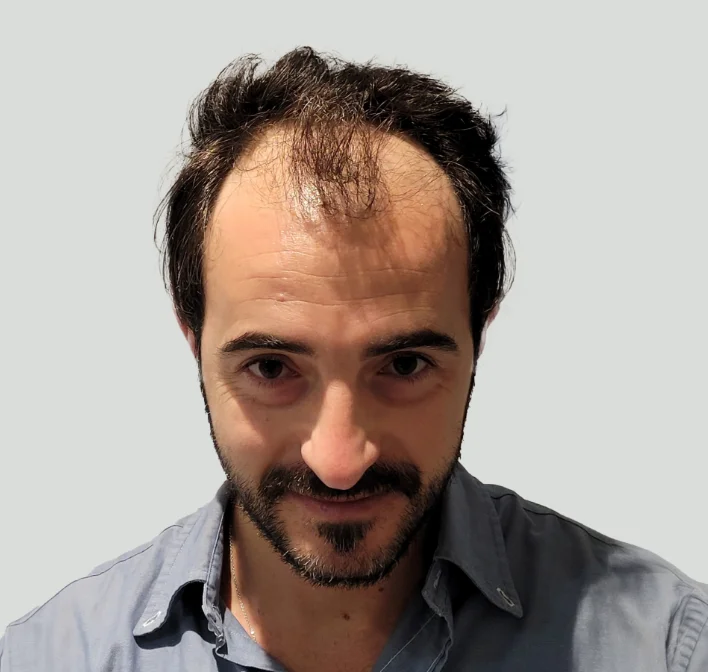
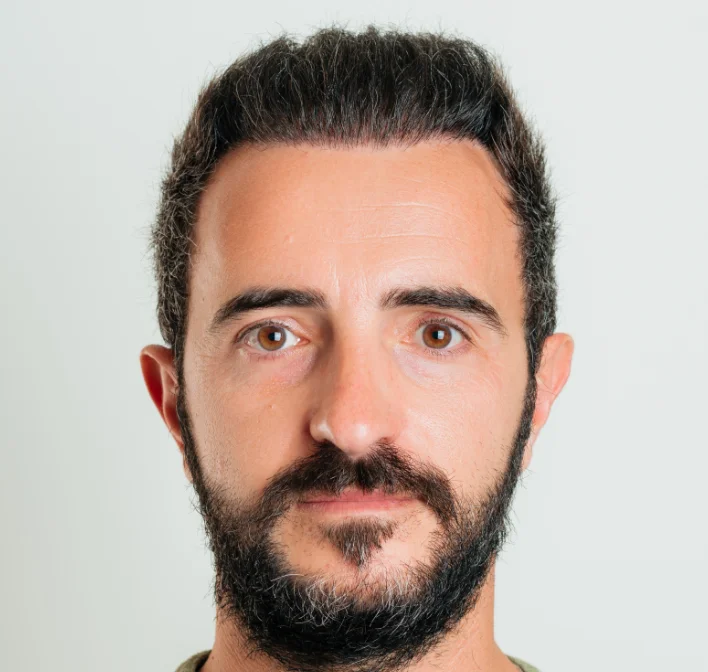
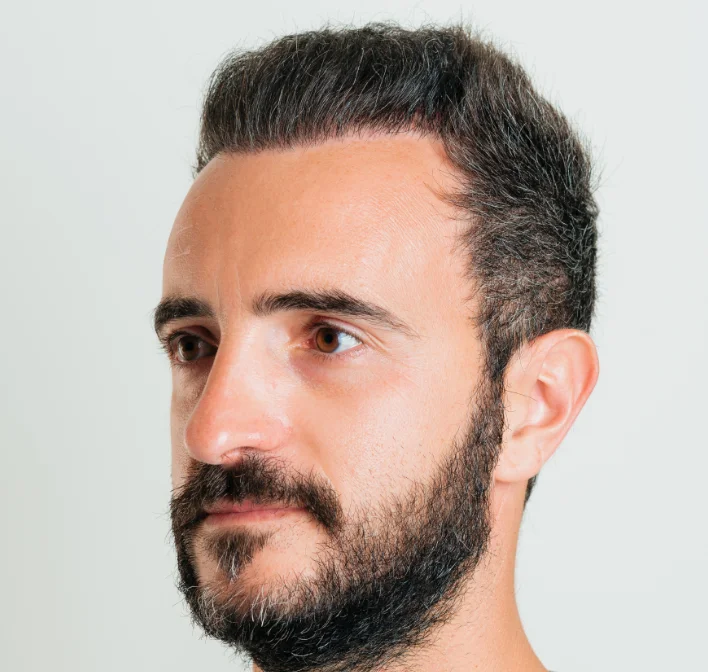
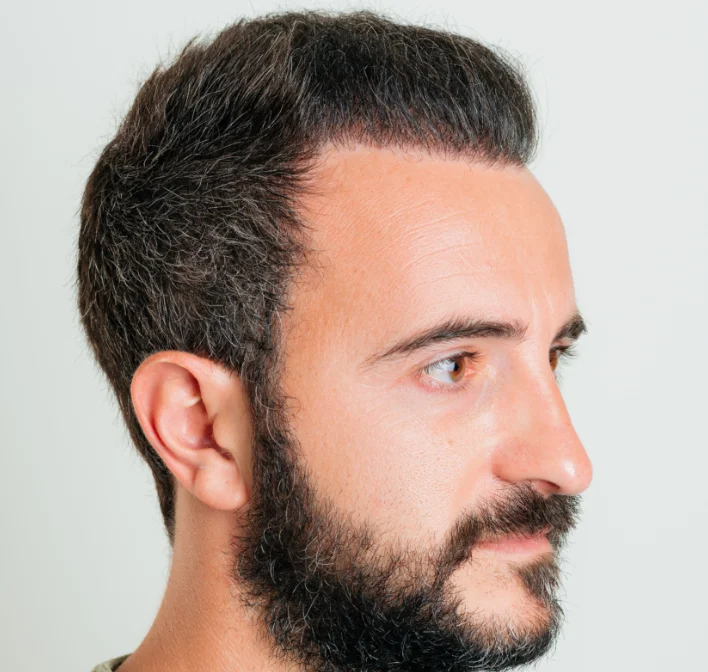
Sergi Llopart
3250 UFS
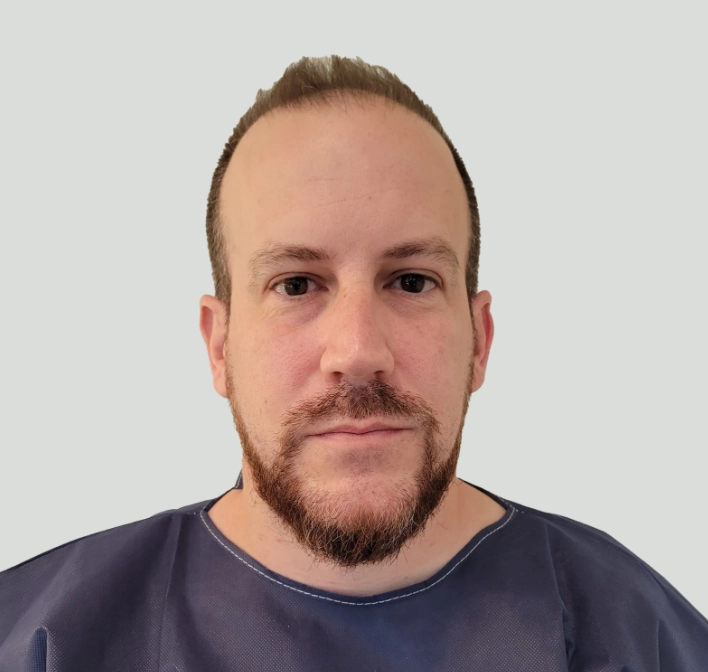


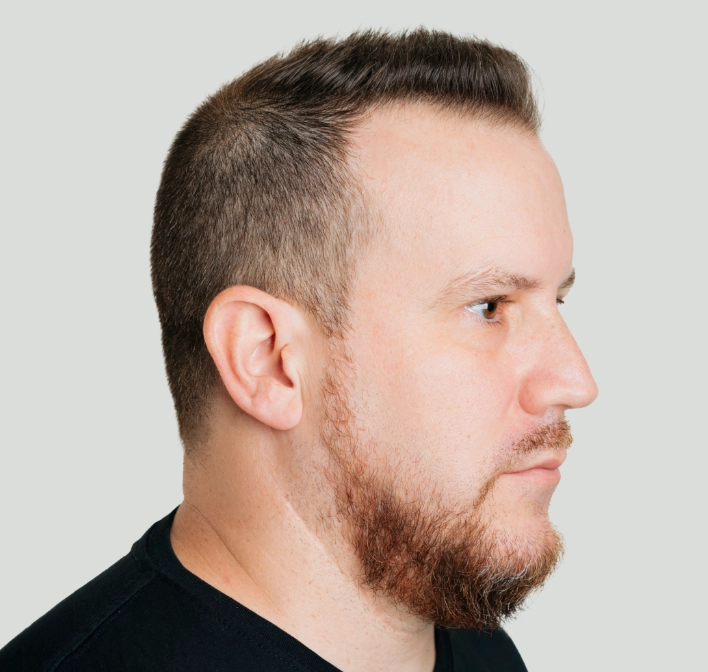
José Manuel
3050 UFS
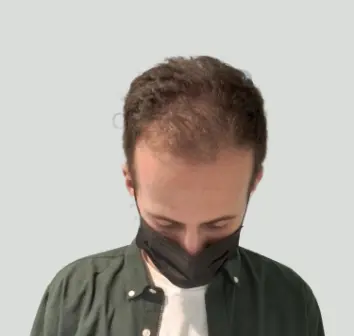

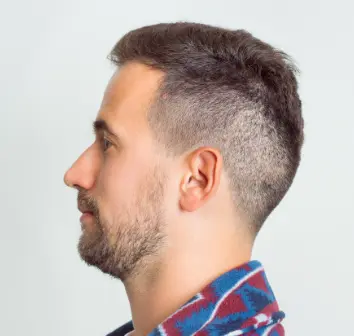
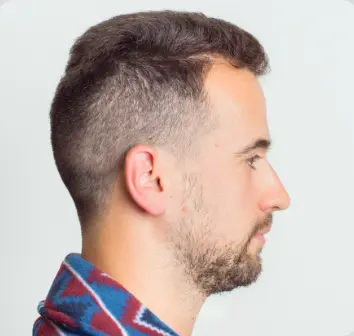
Daniel Martinez
2000 UFS
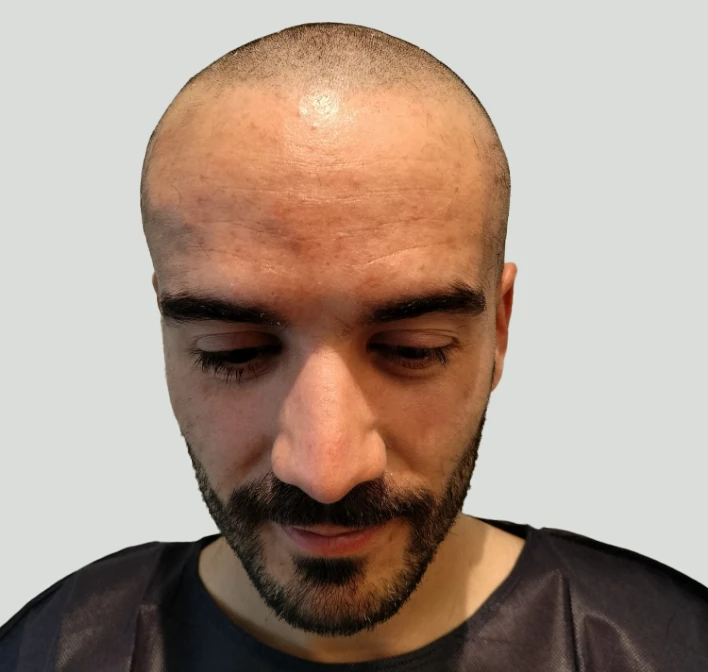

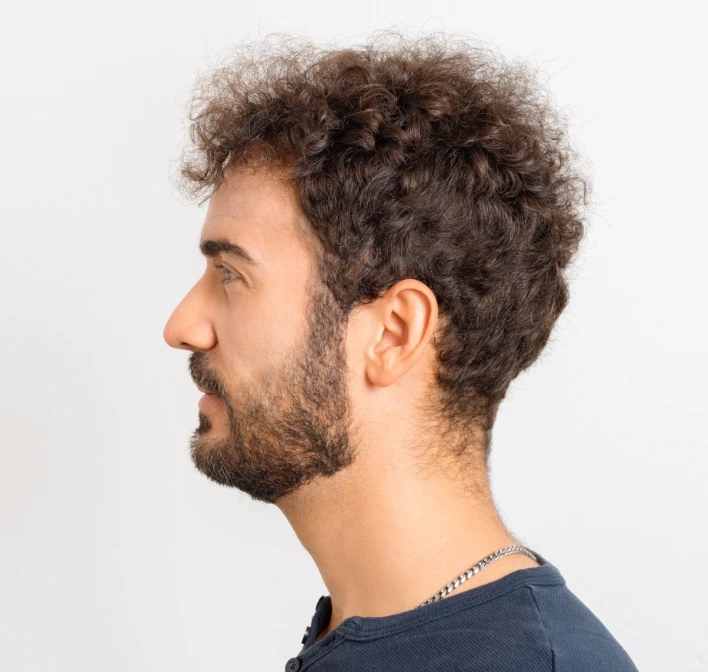
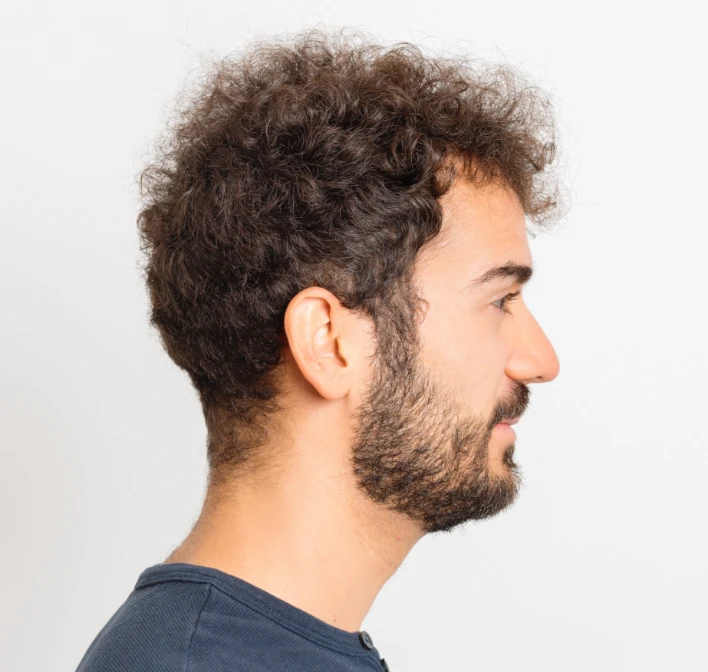
Joaquin Jara
2700 UFS


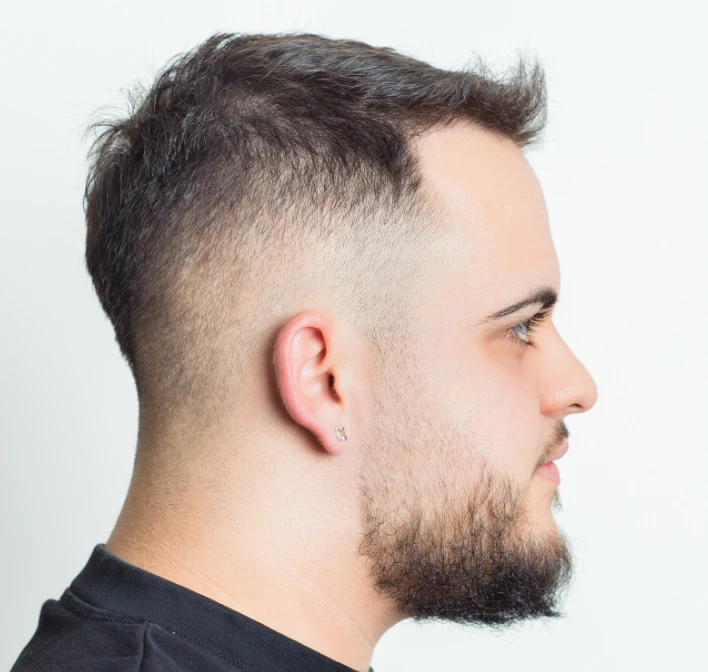
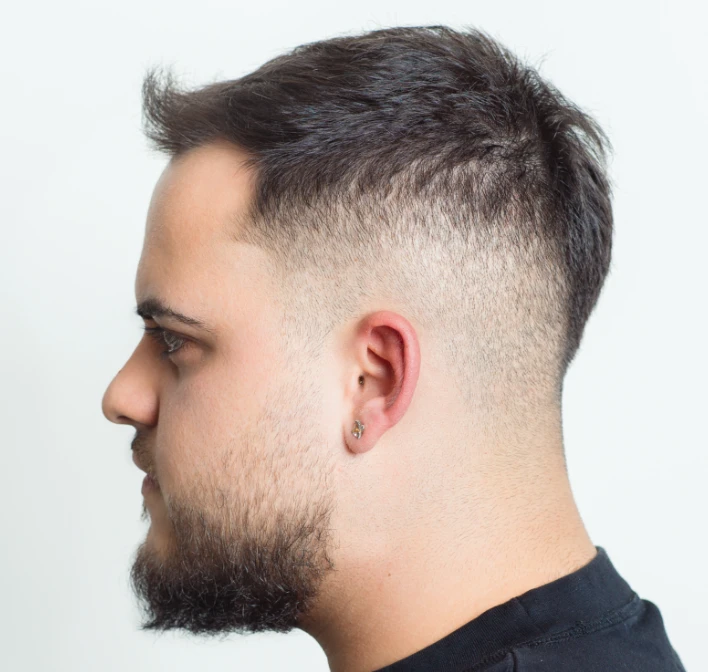
Juan Pedro Ruiz
3000 UFS
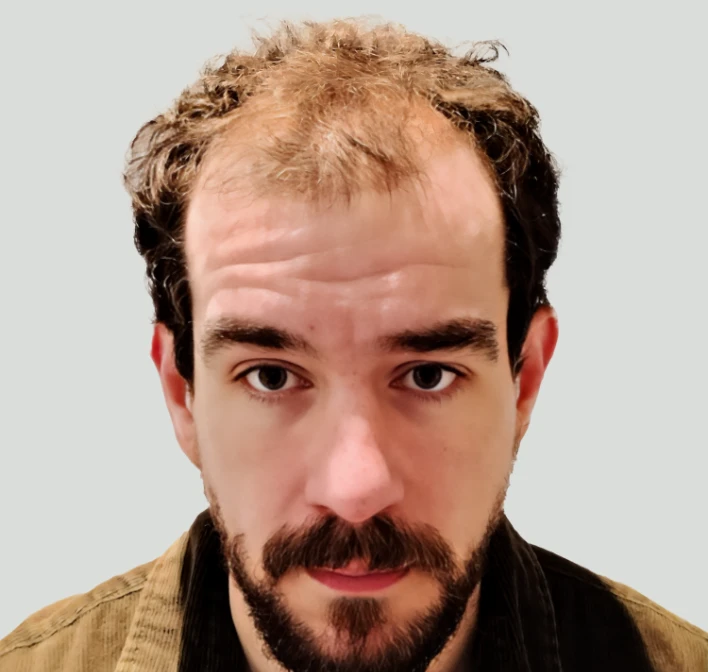

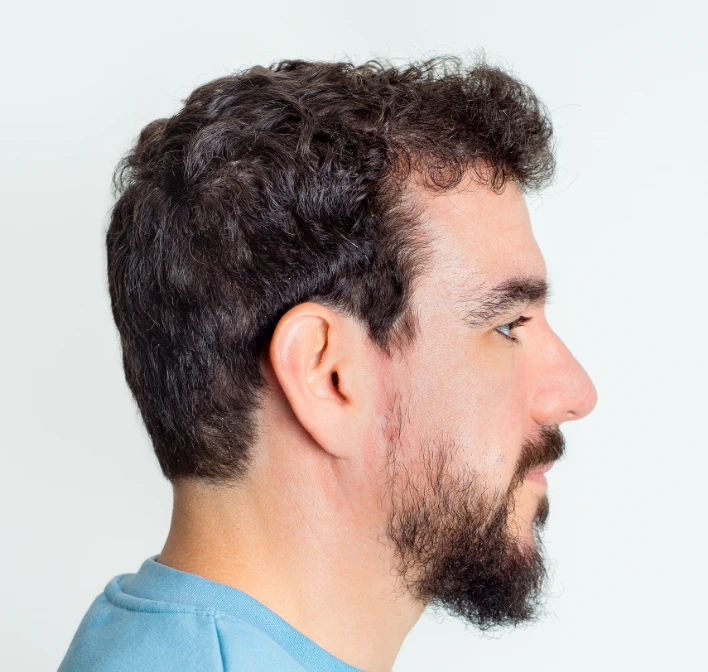
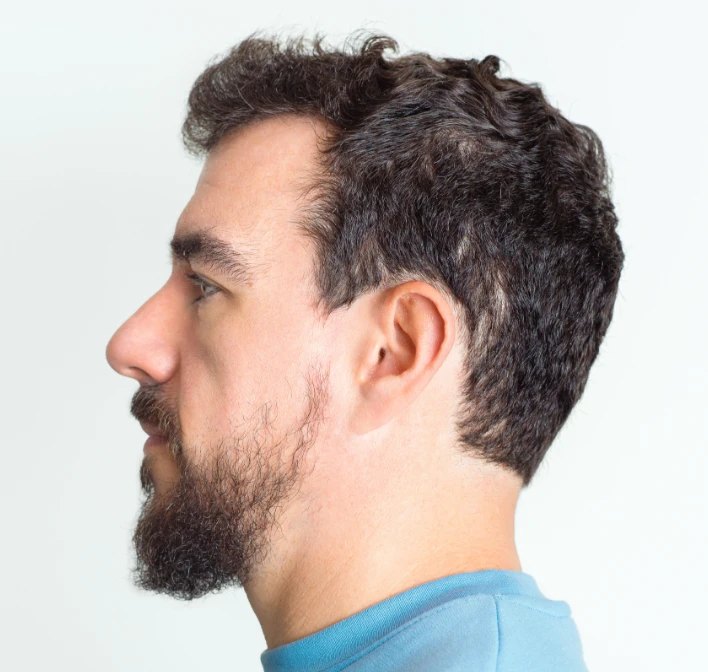
Carlos Munera
2700 UFS
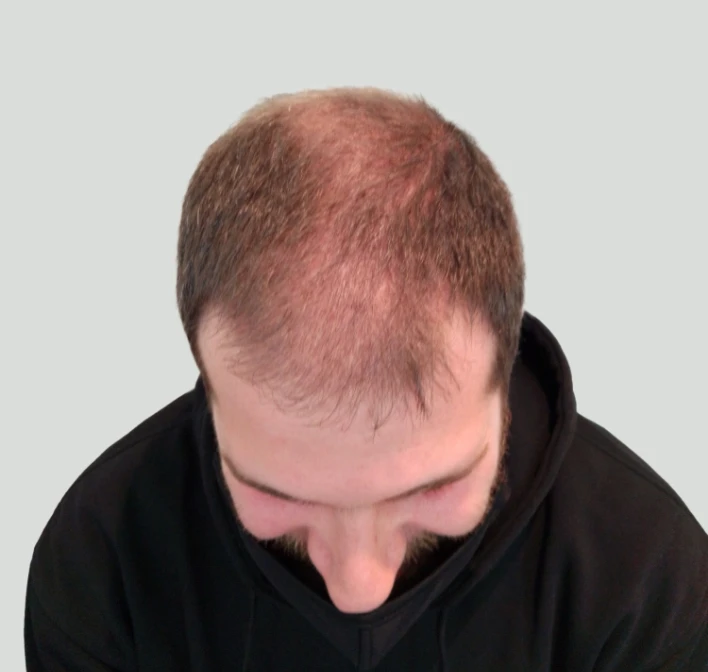

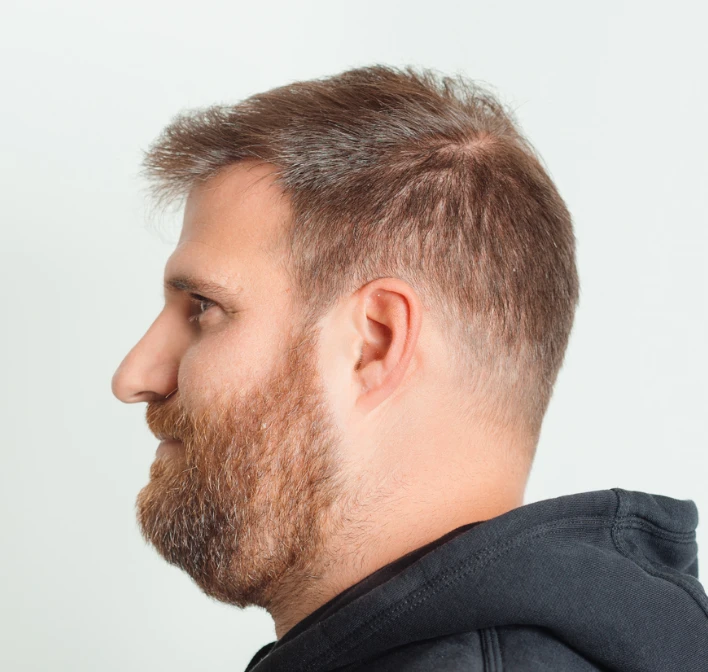
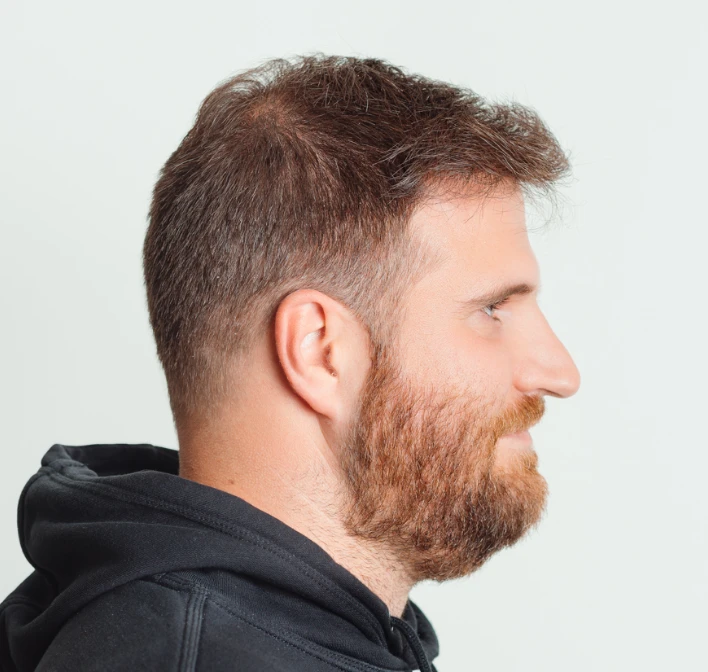
Sergi Pi
3250 UFS



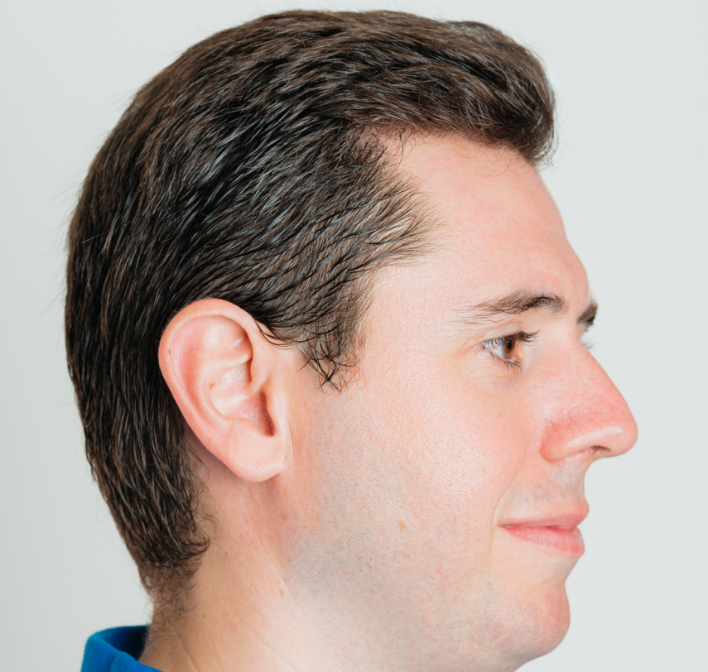
Xavier Grebol
3oo0 UFS
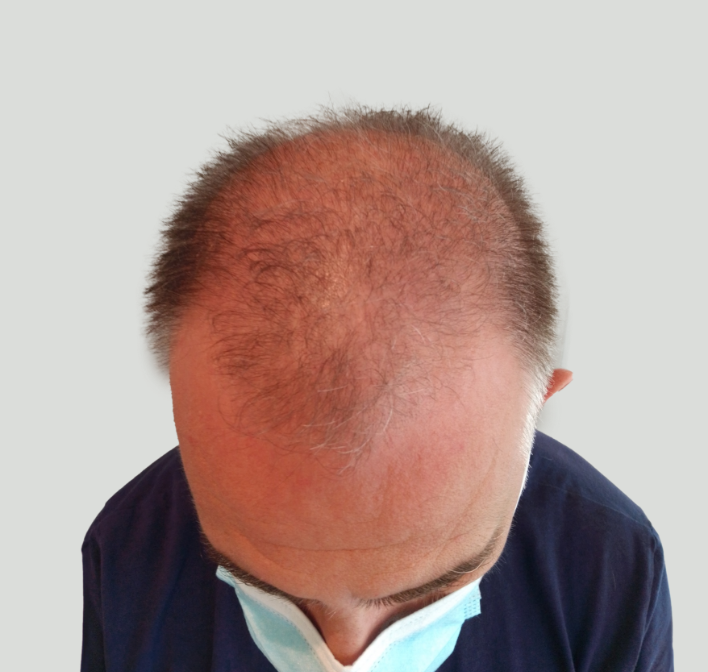

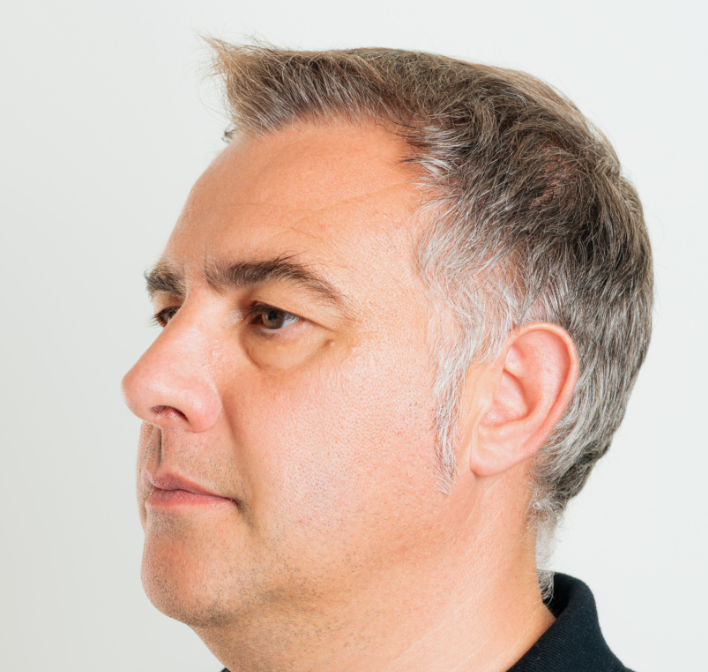
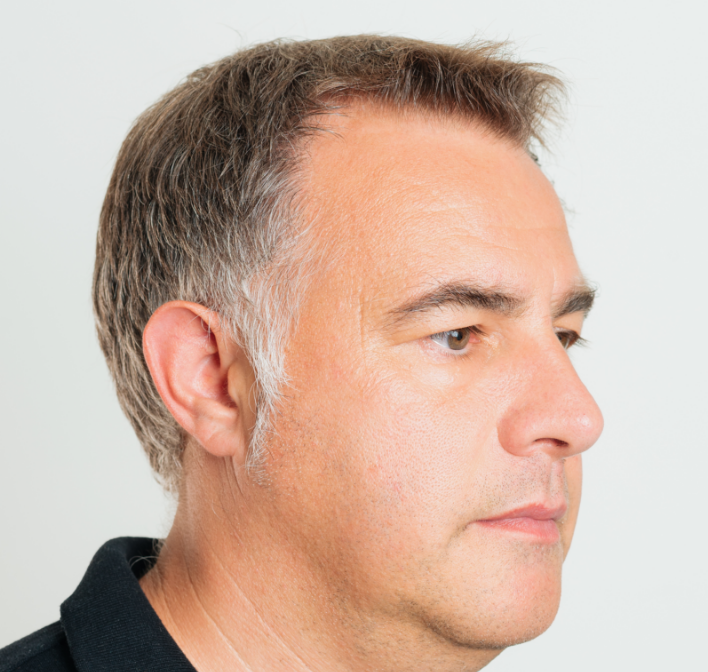
Francisco Rodríguez
2800 UFS


Hair transplant before and after: Everything you need to know

Once a patient has decided to undergo a hair transplant procedure, from our experience, we know that many questions come to mind. It is a common impulse for those suffering from alopecia, a problem that is always better to solve sooner rather than later.
Regarding when is the best time to undergo a hair transplant, the answer varies, as not all cases are the same. Contrary to what many believe, age is not a determining factor when deciding whether or not to perform a hair transplant procedure. What is crucial is the absence of patient pathologies, the availability of a donor area, and that these areas have specific densities.
While there is no 'standard' age for transplanting hair follicles, many specialists prefer to operate on patients who have reached their thirties to better study future hair loss patterns.
Those under 25, although they can undergo a transplant, are not the best candidates because, often, hair loss has not stabilized before this age. This prevents specialists from predicting the evolution of the ongoing hair loss.
However, the biggest problem that can arise from an early intervention is that the patient continues to lose follicles in non-transplanted areas that, after the procedure, continue to suffer from alopecia. In these cases, doctors prefer to put patients on pharmacological treatments such as minoxidil or finasteride to stabilize the loss as a preliminary step before any surgery.
In any case, anyone visiting a specialized clinic undergoes various tests to help determine what is causing hair loss, as the diagnosis will reveal the type of alopecia and, therefore, the best intervention for each problem.
Once the patient has completed the study, determined the best technique to repair their alopecia, and undergone surgery, their doubts are far from over. This situation is completely understandable, keeping in mind that, as we often remind, every case is unique.
That is why in some people follicles grow very quickly and in others much slower. The genetic information of the transplanted follicle plays a decisive role in its growth. Since this information is the same it had before extraction—which had made it resistant to alopecia—it will act the same way in the new area where it has been relocated.

Read more
When are the final results visible after a hair transplant?

Regarding the question of when the final result can be appreciated, the answer is again variable, starting from the fact that the result is not achieved overnight.
Once the scalp has been operated on, it goes through a healing process where each transplanted hair settles into its new location. During the first few weeks, a natural shedding of follicles occurs, leaving the transplanted bulb internally to start developing a new, strong hair. Therefore, there is no need to be alarmed if the transplanted hairs progressively fall out in the first days after the procedure.
It won't be until the third month that the birth of those new strong hairs emerging from the grafts starts to be seen, in what is medically known as the anagen phase. Once the new hair begins to emerge, some normalcy will be seen in the scalp and the results we will eventually have.
It is worth noting that it won't be until around the fourth month that we see our new hair growing normally. Ten months after undergoing surgery is when we see more or less definitively what our new image looks like.
Between six and nine months, the growth rate accelerates, and after one year is when the final result of the transplant is finally appreciated, once all the transplanted hairs have sprouted correctly.
Read more
Are hair transplants permanent or temporary?

Regarding whether a hair transplant is permanent or if it must be gradually renewed with more interventions, it must be emphasized that transplanted follicles are hairs that should last a lifetime. This means that, obviously, as with hair in any other area, it will fall out and grow back following the natural hair cycle.
This does not mean, evidently, that the hair does not age as the person carrying it does. Therefore, some follicle loss may occur, which, however, will have nothing to do with alopecia or the hair loss that led the patient to undergo a transplant treatment.
Finally, regarding which areas of the human body are suitable for hair transplant surgery,
it should be noted that the FUE transplant technique can be performed not only on the scalp; transplants in areas such as the beard, eyebrows, or body hair are common. This is becoming increasingly frequent in specialized hair transplant centers as a result of changing aesthetic trends.
However, for any questions about this matter or anything we may have left out of this post, do not hesitate to contact the Capilclinic team either by phone or email, where our team will be happy to assist you.
Read more

Quiero que me llamen

Déjanos tu teléfono y te llamaremos lo antes posible. Horario: De L a V de 10h a 14h y de 16h a 19h
Al continuar aceptas la política de privacidad
Contáctanos


Nuestras clínicas

Escríbenos
Email: info@capilclinic.uk
Where would you like to have your transplant?*

