

New Min Time FUE Sapphire technique
Your hair transplant in Madrid
Procedure + Stay: Request details on our Madrid accommodation bundles.
 10 years of experience
 +10,000 satisfied patients
 30 million follicles implanted
10 years of experience
+10,000 satisfied patients
30 million follicles implanted
30 million follicles implanted
10 years of experience
+10,000 satisfied patients
30 million follicles implanted
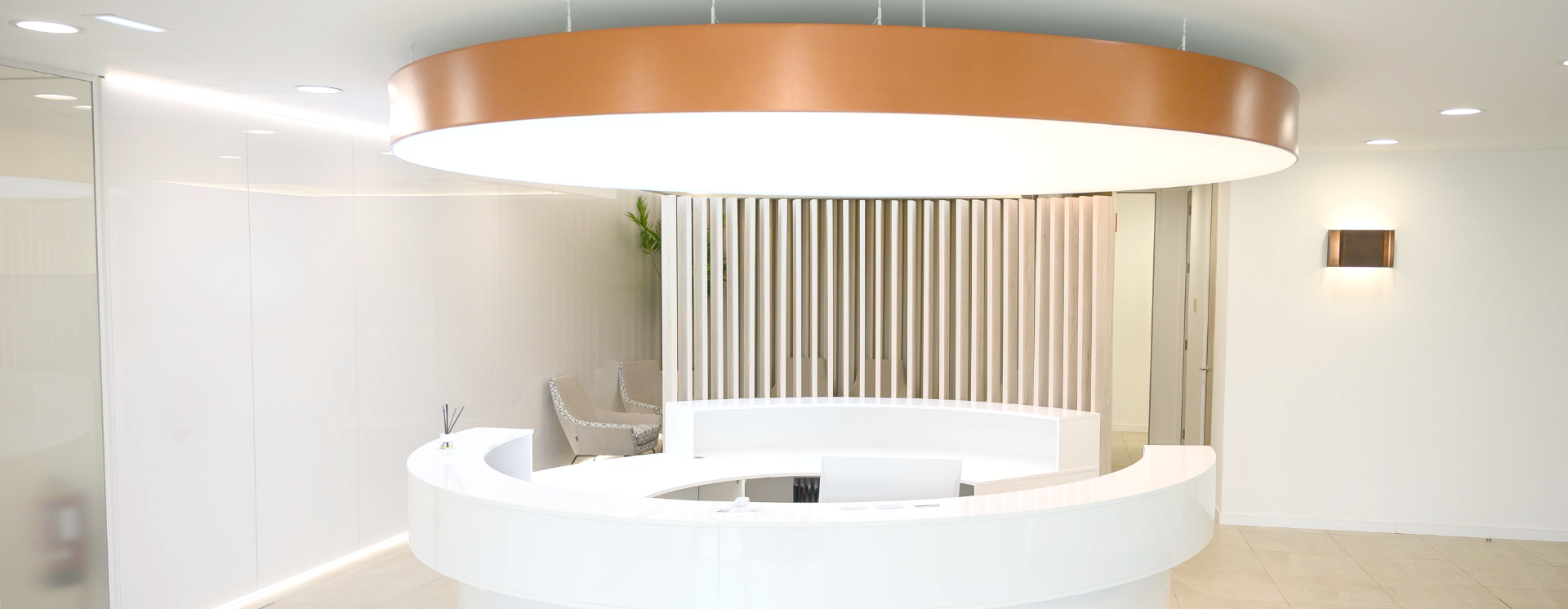
Winner at the European Awards 2024
Capilclinic has been honored with the prestigious European Award 2024 in the Hair Surgery category, recognizing its advancements and excellence in hair transplantation and care.
This award highlights our innovative techniques, such as the Min Time FUE method, which is designed to minimize the time follicles spend outside the body, ensuring a higher success rate.
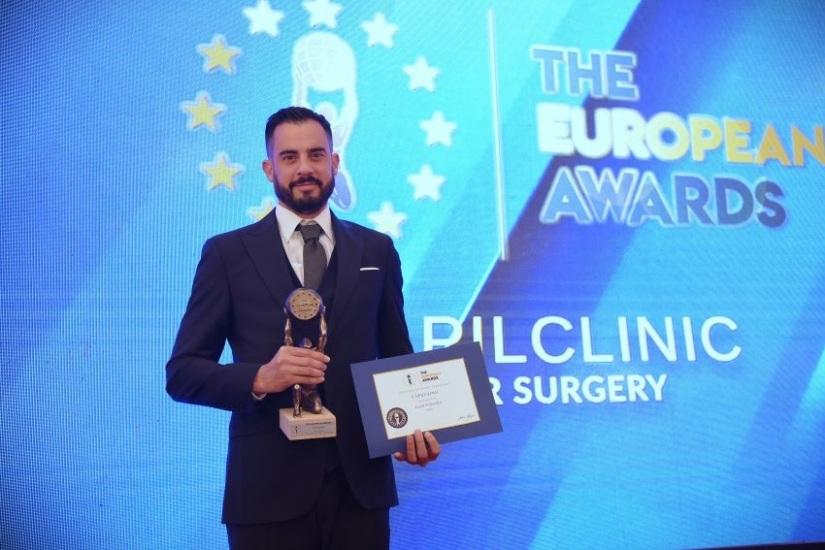

Awarded at the V Edition of the National Medicine Awards 21st Century
On March 17, 2022, we celebrated the V Gala of the 21st Century Medicine Awards in Madrid.
These awards were created with the aim of sharing a day with other healthcare professionals, promoting excellence and knowledge through teaching, research, patient care, and proactive networking.
Guaranteed hair transplant in Madrid
Every case is special, which is why we treat them in a personalized way before performing any treatment. Our professional team, with extensive experience in hair transplantation in Madrid and using the most advanced techniques, always offers the best quality and guaranteed results to our patients. 100% satisfied patients.

SAPPHIRE FUE Technique

Maximum density

Personalized diagnosis
Mesotherapy session

Beard transplant

Clinical follow-up
Why patients choose our hair transplant clinic in Madrid
At Capilclinic, we stand out as the preferred choice for our patients due to:

Extensive experience

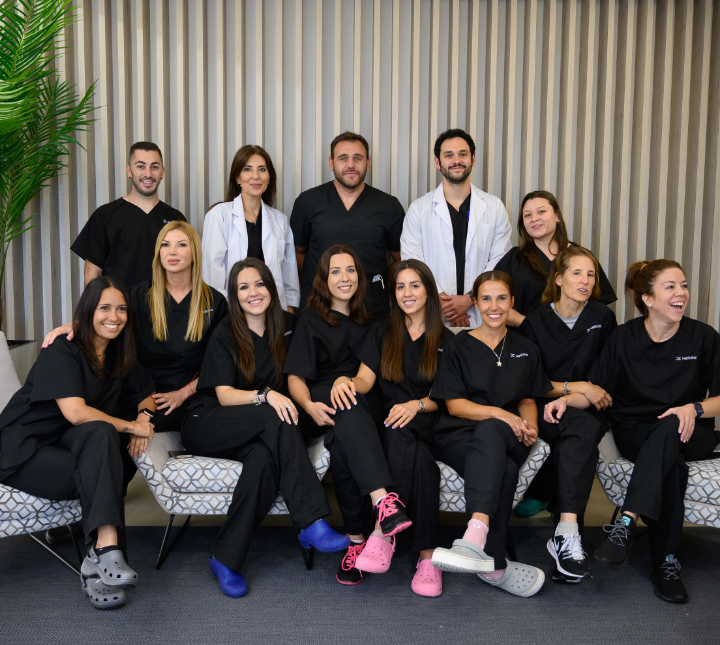
Specialized team

Personalized care

Advanced techniques

State-of-the-art facilities

Satisfactory results
Thanks to our highly trained team and advanced techniques, we offer effective, high-quality solutions for hair restoration, providing our patients with a positive experience and exceptional results, making us one of the best hair transplant clinics in Madrid.
10 years of experience
+10,000 satisfied patients
30 million follicles implanted
10 years of experience
+10,000 satisfied patients
30 million follicles implanted

Tailor-made hair transplant
Graft count, distribution, orientation, hairline, areas to cover… No two designs are the same

Trichoscope evaluation
Highly precise diagnosis of alopecia and hair type by a specialist in trichological analysis
Natural results
More grafts don't always mean more density. Every patient has their own "natural look"
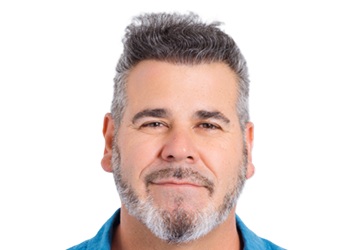
Vicente Iglesias
“I am definitely very happy with the result; it has improved my image and my confidence. A total success”

Min Time FUE Sapphire
2,800 follicles

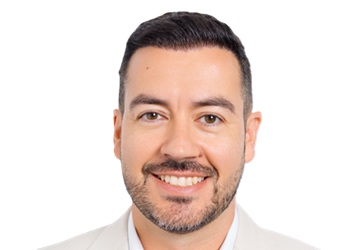
Carlos Barredo
“After 6 months, I am more than satisfied with the results obtained. Totally recommended”
Min Time FUE Sapphire
2,500 follicles
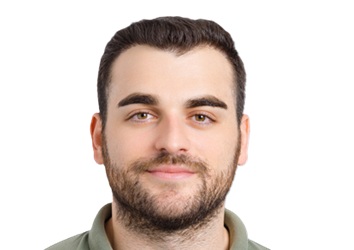
Mario Criado
“I have regained my youth; thanks to the hair transplant I have recovered the joy that disappeared due to hair loss”
Min Time FUE Sapphire
3,400 follicles
Rafael Clemente
3100 UFS
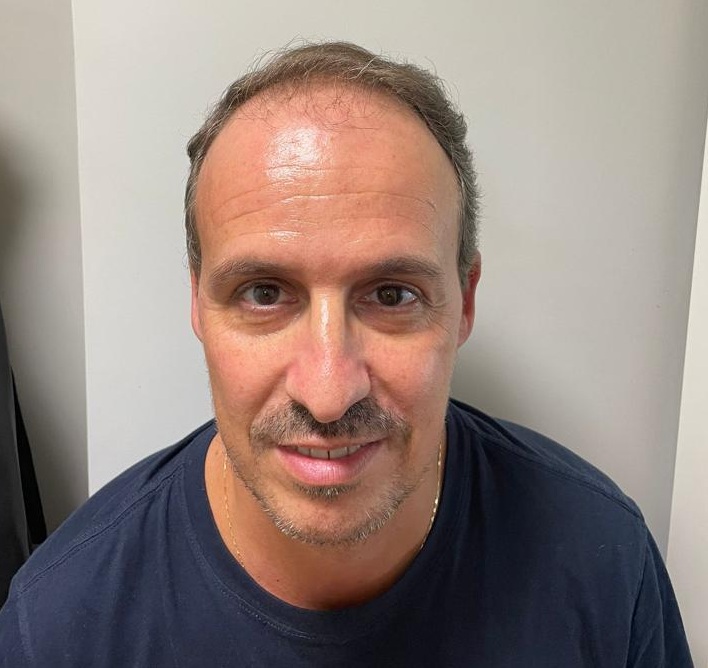
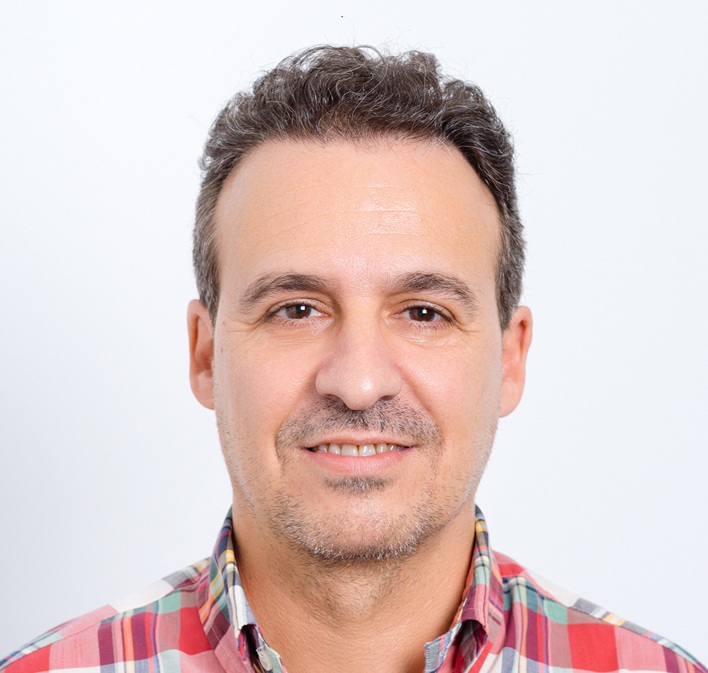
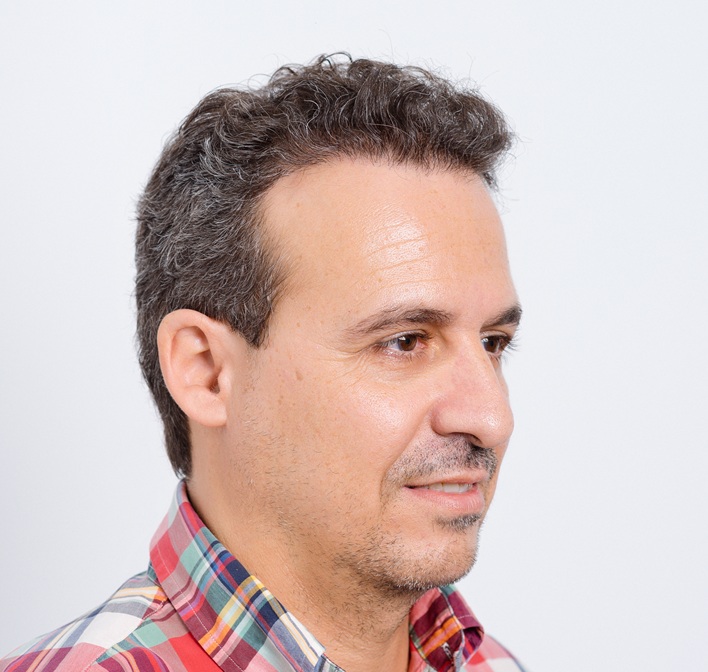
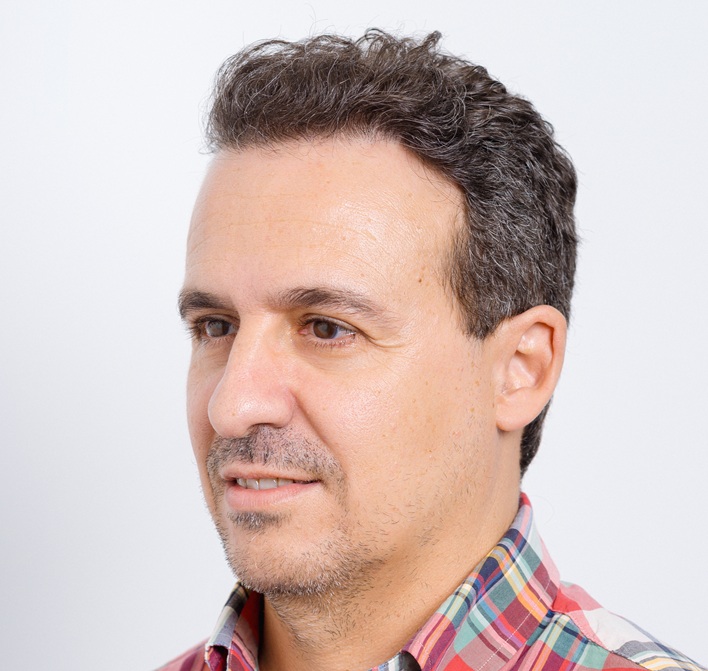
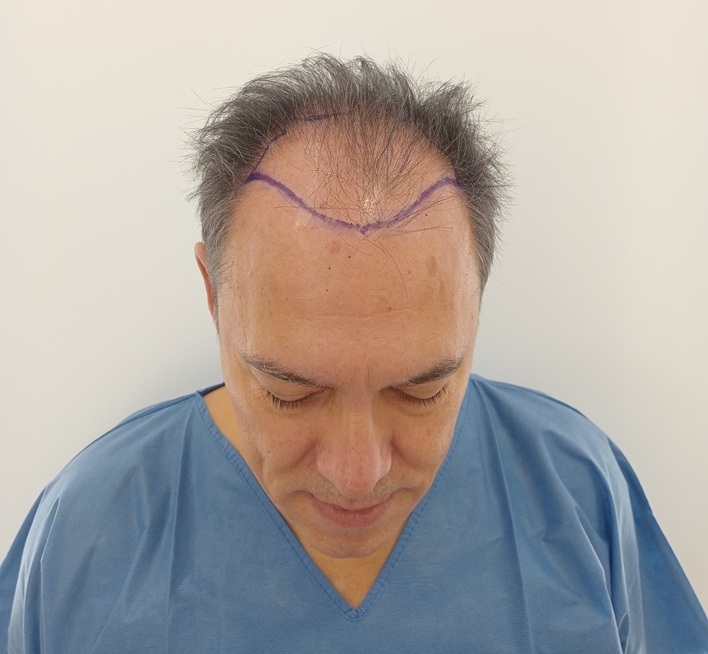
Antonio Hervas
3160 UFS
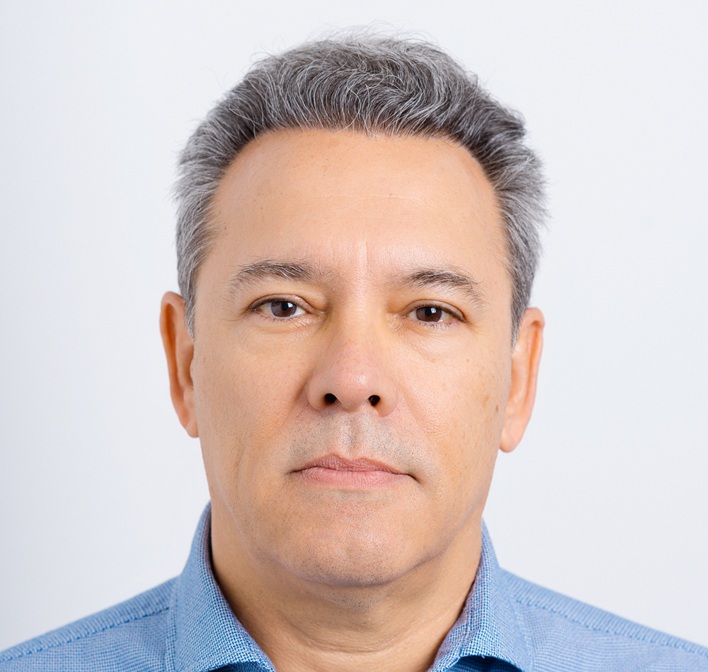
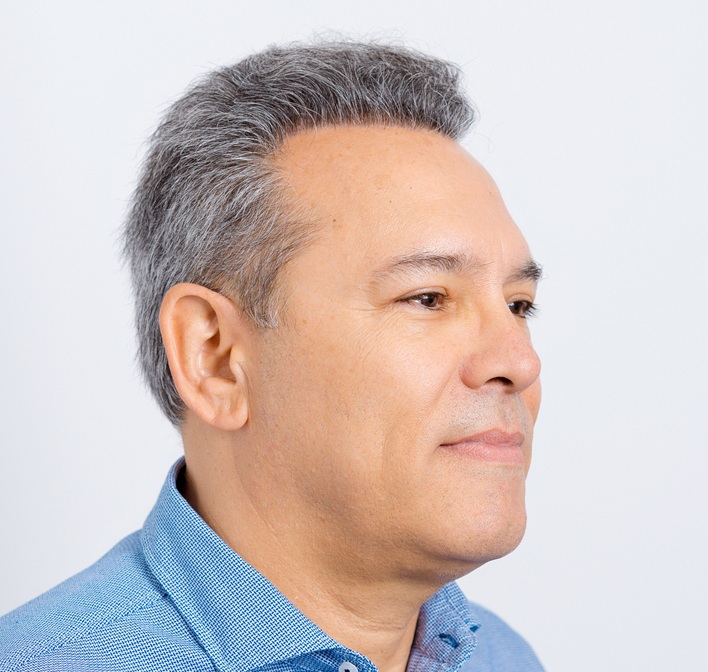
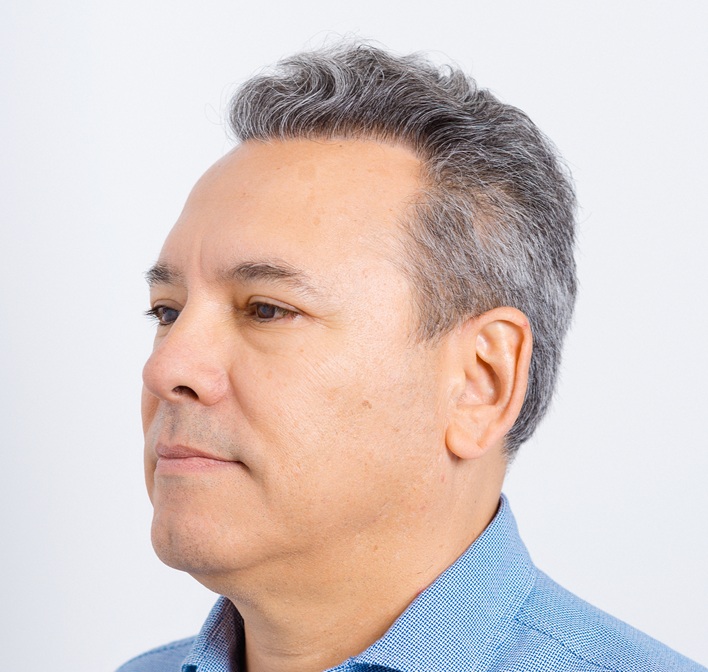
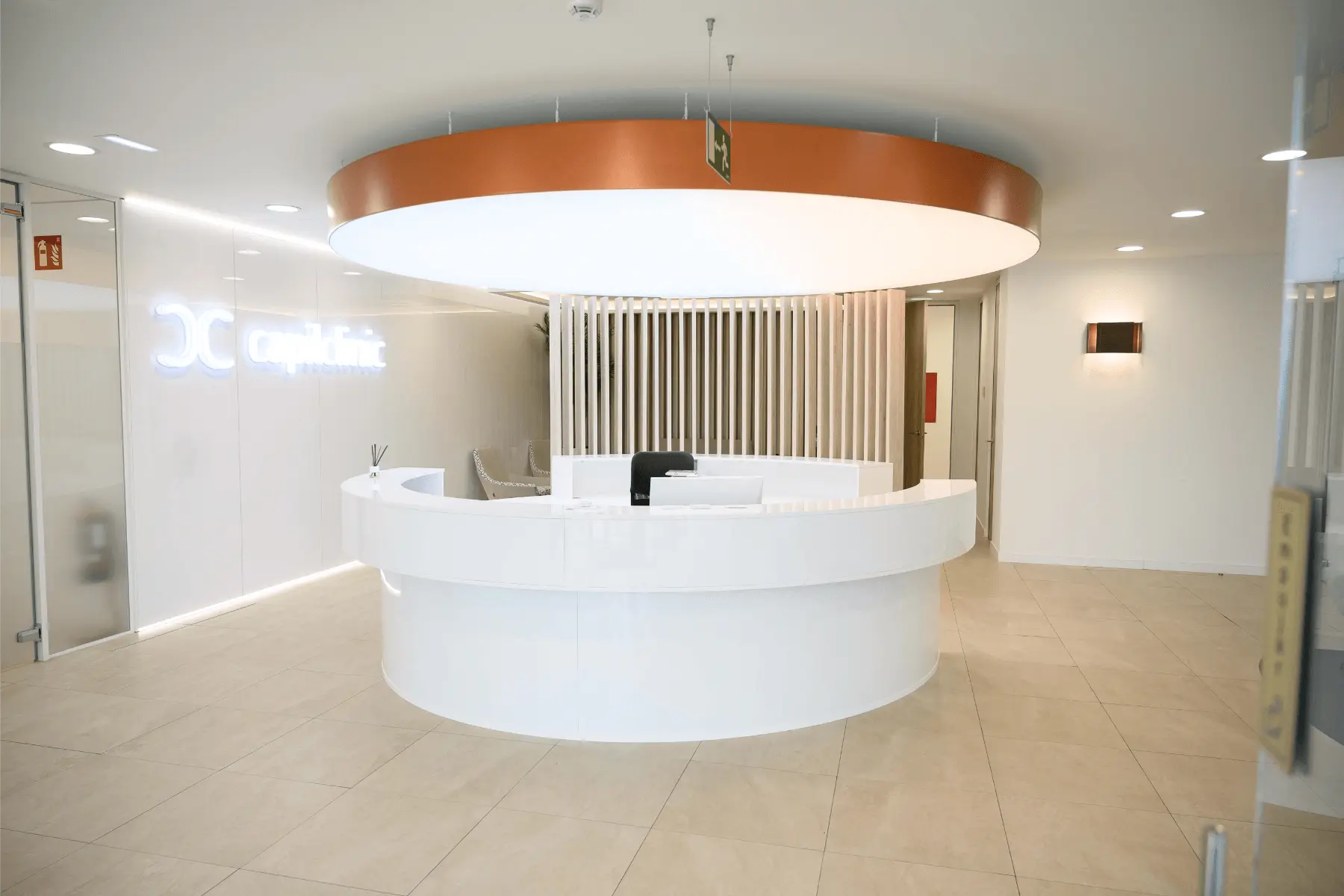
The most advanced facilities for your hair transplant
Capiclinic is a clinic specialized in hair treatments with cutting-edge facilities. Our modern facilities are designed to provide patients with a pleasant and safe environment during their experience at the center.



Benefits of the Min Time FUE method
Our own revolutionary technique designed to keep follicles out of the body for the minimum possible time during each operation, aiming to guarantee greater effectiveness.
01. 100% natural results
Follicle implantation is performed without a defined pattern, following the patient's physiognomy, which guarantees the maximum possible hair density in the transplanted area.
02. Maximum number of follicles
Unlike other techniques, we place the amount of follicles that each patient needs, thus achieving the best results.
03. We take care of the donor area
We extract the follicles optimally so that the donor area is not exposed and visually maintains the same uniformity as always.
04. Hair reinforcement with mesotherapy
The root of the transplanted hair is reinforced with a mesotherapy treatment to improve hair health and obtain greater durability.
Hair transplant prices in Madrid
Hair transplant plans in Madrid with everything included and financing options. What you see is what you pay, nothing more, nothing less. "Maximum possible grafts," according to the donor area in each case
Plan M
Recommended for slight receding hairlines or if you've lost some density
FUE Sapphire Max Density Technique
Up to 1500 follicles
Blood analysis
1 Mesotherapy
In-clinic wash
Post-operative consultations
Clinical follow-up
Post-operative KIT
Plan L
More advanced alopecia to repopulate frontal area, crown, or both
FUE Sapphire Max Density Technique
Maximum number of follicles
Blood analysis
1 Mesotherapy
In-clinic wash
Post-operative consultations
Clinical follow-up
Post-operative KIT
Plan XL
Recommended if you want all comforts and the best result
FUE Sapphire Max Density Technique
Maximum number of follicles
Blood analysis
1 Mesotherapy
In-clinic wash
Post-operative consultations
Clinical follow-up
Post-operative KIT
Pre-anesthesia
Gold Pack*
- 3 Meso Dut. treatments
- 3 Meso Minox treatments
The doctor answers your frequently asked questions about hair transplants
What will people think of me?
There is still a bit of a stigma regarding whether to get hair restoration or not. It's decreasing, but it's true that some people worry about what others might think.
I can tell you that the majority of our patients share their experience with pride. They might hide it more right after the operation, but later they are so happy that they talk about it openly.
Those who appreciate and love you will think you have taken a very brave step.
They will be very happy for you and, as more than one patient has told us, "you will hear more compliments about how you look younger."
Who is not suitable for a hair transplant?
The suitability of the operation depends on age, the donor area, the area to be covered, and medical history.
It is essential to assess this during the hair evaluation.
It is usually contraindicated if there is non-androgenetic alopecia, although some androgenetic alopecias are also not suitable. For example:
- Poor donor area. It must be large, dense, and of high enough quality to cover the alopecic area well without leaving the donor site sparse.
- Very advanced stages with a very wide interparietal space (between the hair on either side above the ears). Even with a good donor area, it makes an acceptable result very difficult.
- Patients over 60 years old must be approached with great care due to previous or current pathologies or medications that could contraindicate surgery.
- And those under 25. We must study if the alopecia is already stabilized and allows us to predict its evolution. Generally, we first follow up with treatment to see how much we can improve before assessing surgery.
- Certain pathologies. For example, cancer must be very well controlled. We have protocols that determine if it's contraindicated or not.
- Unrealistic expectations. Some people have an idea in mind that we know from experience is completely beyond their possibilities. This is a psychological issue that we handle with great caution.
Patients who have a few receding hairlines without alopecia (they are natural) are not always suitable. Sometimes it's possible, sometimes it's not.
Who is suitable?
I am going to refer specifically to Min Time FUE Sapphire, although the indications are common to all techniques. Generally, we consider a case suitable for a hair transplant in:
- Stable and limited androgenetic alopecia. At CapilClinic Madrid, 90% of patients come for this reason.
- Cicatricial alopecia of small extent that allows it. Due to a burn on the face, skull, scalp, trauma, accident, etc.
- Secondary scars from surgeries that the patient wants to hide.
- Unfavorable result from a previous hair transplant.
It can be performed on both men and women. Women have particularities that we must assess in the consultation.
What is the hair evaluation at CapilClinic like?
The hair evaluation generally consists of 3 steps:
- Anamnesis.
- Trichological study.
- Treatment plan.
The anamnesis basically involves delving into the medical history: medications, diseases, allergies, background...
In the trichological study, we analyze the type and grade of alopecia and the characteristics of the hair: thickness, shape, feel, scalp laxity, donor area density...
We use a trichoscope, a small camera with which we see exactly where we stand and which therapy would be optimal.
In cases with borderline density, we also use a densitometer to accurately determine how many FUs we can extract from the donor area without leaving it sparse.
With all this, we assess if the patient is suitable or not for the transplant, if they need therapy before or after, etc.
If suitable, we explain the treatment plan in detail and adjust expectations in an individualized and realistic way.
This last point is essential.
The density, the number of FUs that can be extracted, and the "naturalness" depend heavily on each case.
A transplant can look very natural with or without receding lines, with a more or less moderate density... There are many possibilities. It varies according to factors such as the cranial anatomy itself.
Regardless, we show photos of similar results so the patient can get an idea.
The complete evaluation usually lasts around 30 minutes.
I do not perform it personally because at CapilClinic we have high demand and I spend all my time on operations. We believe my presence in the operating room is more important.
A team colleague is a specialist in trichological analysis and focuses solely on evaluations. Their diagnosis is recorded so I can study it and prepare the surgery in advance.
How is the Min Time FUE Sapphire technique performed? Is the head shaved?
The theory is the same as traditional FUE Sapphire.
We extract follicular units (FU) from a donor area not affected by alopecia to graft them into a recipient area that is affected.
The donor areas are the occipital and temporal regions. Beside, near, and above the ear. Normally we never take hair from other parts of the body. It doesn't usually give good results.
When extracting FUs, we classify them by the number of follicles they contain and by the time they have been outside the body.
That is the advantage of Min Time FUE Sapphire.
The time that passes between extraction and implantation is crucial for the survival of the follicular units.
We reduce it to the minimum and graft the ones that have been out the longest first. This way, more survive and the probability of success in terms of density and naturalness increases.
The surgery has 3 phases:
- Extraction. The donor area is anesthetized, and FUs are extracted one by one with maximum precision (it doesn't hurt). At the same time, they are classified and hydrated in a special solution that maintains their viability.
- Micro-incisions. The recipient area is anesthetized, and small incisions are made with a sapphire micro-scalpel. Medical skill is essential here. It is the surgeon who provides the density, orientation, distribution, and shape of the transplant.
- Implantation. We insert the most optimal FUs into the "gaps" opened with the sapphire, with extreme care not to damage them. Beforehand, the patient and surgeon will have decided on the most natural design for the graft. Frontal line, areas to cover, etc.
Indeed, we shave first. Without shaving, it is more complex and, above all, more complicated for the patient during the postoperative period.
The intervention lasts about 6-8 hours. A short break is taken between phases.
Can it be done under general anesthesia?
Some people are very apprehensive about the fact that the surgery is performed while awake. Generally, we never sedate or use general anesthesia. The risk involved outweighs the benefit it provides.
Additionally, we need the patient to be conscious in case they need to move their head to facilitate extraction and implantation.
Local anesthesia can be uncomfortable when administered, but it only takes seconds to take effect, and then you feel nothing. It has far fewer risks and equally allows the procedure to be painless.
Do you perform other techniques like FUSS or DHI?
FUSS, yes, although it is falling out of use and I believe practically no patient should opt for it.
Why?
From the donor area, we extract a strip of skin with subcutaneous tissue, fat, and muscle. Consequently, the postoperative period is much worse, and the scar it leaves is more visible.
With the Min Time FUE Sapphire technique, the invasiveness decreases significantly. The postoperative period is not as heavy, recovery is faster, and the scars are almost invisible even with short hair.
Furthermore, it allows for the extraction of a large number of follicular units, almost always greater than FUSS.
We do not do DHI in Spain. Min Time FUE Sapphire gives great results and we aren't usually asked for it.
What we do offer is beard and eyebrow transplants.
What are follicular units or FUs?
Follicular units (FU or graft) are units of tissue that group, on average, between 1 and 4 hair follicles.
The hair follicle is the epidermal cavity (the "hole" in the skin) in which the hair is inserted and grows. That is, each FU we graft and that survives can produce 1-4 hairs.
It is extremely important to have this clear before choosing a hair transplant clinic in Madrid or anywhere else.
You must be very clear that:
- The amount of FU is limited by the donor area. They are not unlimited in any case.
- More FU does not always mean more density. For example, 3000 FU could be between 3000 and 12000 hair follicles depending on the person. Obviously, the result would differ.
- FU is not the same as a hair follicle. 3000 follicles could be between 750 and 3000 FU.
- The survival of the FUs is key. If they don't survive, the 1-4 follicles they contain will not create hair, and the result will be poorer. That's why Min Time FUE Sapphire is so effective.
Can I get a transplant using someone else's hair?
It is not possible. There would be a risk of rejection, and the intervention could have more complications.
The donor area is always that of the patient receiving the transplant. This way, there is no rejection, and the surgery is much safer.
What is the postoperative period like?
Well, it is not so much painful as it is tedious.
After the operation, we put a bandage on the head which we usually leave for one day. If there is pain, it responds very well to analgesics. To avoid possible infections, we prescribe antibiotics for 5-7 days.
The most common symptoms are itching and stinging. The micro-incisions we have made heal and itch. This is normal. We apply different products to alleviate it.
The "bad" days are especially between day 2 and 6-7. Some patients handle it better and others worse. Generally, after 15 days, there is much less discomfort.
Important: scabs should not be scratched or pulled off. They could become infected and create new scars, which would worsen the result.
At this point, hydration and washing of the scalp are essential, both for the donor area and the transplant.
Normally from day 2 until day 10-12 when the scabs are removed, you must be applying thermal water or saline solution every 20-30 minutes. Always with extreme gentleness to avoid problems.
Keep in mind that the result of the hair transplant depends heavily on care during recovery.
Beyond the itching, a slight facial edema may appear after surgery. The face and eyes swell a bit due to the anesthesia. This is normal and usually subsides in 1-2 days without treatment.
Less common is, for example, folliculitis. Ingrown hairs that become infected and lead to small red pimples that look like acne. We would see this in the consultation.
Other complications are very rare.
When can I lead a normal life after a hair transplant?
A truly normal life, realistically, is usually after 20 days to 1 month.
In general:
- During the first 24 hours we must rest, not do physical efforts, and sleep inclined so that the graft doesn't touch anything (this is something that is sometimes harder to handle).
- Return to work from 3 days, depending on what it is. For example, a person can return after 3 days if they telework, but after 15-20 if they are a laborer, bricklayer...
- Moderate exercise at 2-3 weeks, avoiding sweating a lot. For intense sports, you must wait at least 1 month.
- Do not expose the head to the sun during the first month. You must protect yourself by staying in the shade, using hats...
- Do not smoke in the first 5-7 days to prevent possible risks to the transplant's healing process.
- For sex, wait at least 1 week, depending on the intensity.
- Going to the beach, submerging the head... one and a half to 2 months. For chlorinated pools, you have to wait a little longer.
- To dye your hair, wait at least 2 months. I personally recommend longer to avoid anything that could be aggressive for the graft and thus favor its evolution.
- You can use a cap to cover the transplant. Preferably a loose one so it doesn't rub the recipient area much. Ideally, don't put it on until the scabs are removed at 10-12 days.
If you ultimately have your hair transplant in Madrid, here at CapilClinic, we will inform you clearly of the care you must take so that everything goes great.
When do you start noticing the hair transplant?
An exact figure cannot be given.
Generally, from 3 months or 3 and a half months, the graft starts to be visible. From there, some patients look very good at 6 months and others not so much. This is completely normal.
How does the graft evolve month by month?
At 10-15 days, once the scabs are removed, the skin remains a little red. The native hair grows at its usual rate.
After 15 days, the hair in the donor area generally recovers. The follicular units we extracted for the transplant do not grow back here, but rather in the recipient area.
Throughout the first month, the grafted hair falls out (the hair, not the inserted follicular unit). This is "shock loss." It occurs in almost all patients due to the stress of surgery. Very few do not suffer it.
Up to 3 months, it is common for the graft not to begin sprouting again until then, in a very gradual and natural way. It doesn't all sprout at once or with the same strength. It grows and thickens little by little.
At 6 months, we will be able to see a good result, although as I explained in the previous question, not everyone appreciates the same improvement in this time.
At one year is when the results are usually considered definitive. As the months continue to pass, the hair improves in quality, especially if accompanied by medical treatment.
The patient notices it even in areas where they haven't had a graft.
Do you have to take medication after the hair transplant?
The needs of each patient are different.
There are those who only need the transplant (normally cases already very stabilized where extra therapy is of little use), and there are those who do benefit from medication.
In general, at CapilClinic, we do indicate oral drugs + mesotherapy. They help reinforce hair growth and prevent hair loss.
The schedule and dose are individualized according to the diagnosis, medical history, and possible contraindications.
What is the clinical follow-up like?
All CapilClinic treatment plans include 3 in-person postoperative appointments at our hair clinic in Madrid:
- The next day. To perform a wash, see how the area is healing, and detect if there are normal side effects of surgery (such as facial edema).
- At 15-30 days. To see how the graft is doing and clear up doubts for the coming months. We also take the opportunity to introduce the team member with whom you will have contact during recovery to resolve any problems that arise.
- At 6 months. To review the evolution again.
The results, naturalness, survival, and growth of the graft depend heavily on the care taken by the patient.
It has happened to us on some occasions.
Careless people who have returned with hair in their hands because they hit the graft while getting into a taxi.
That's why we give clear information about what should and should not be done during the postoperative period and recovery.
How does the donor area look? Are there visible scars?
The micro-incisions we perform during surgery leave tiny scars of less than 1 mm.
Whether they are visible or not depends on how the follicular units are extracted.
When done poorly, we see cases of "moth-eaten" donor areas ("white dots," like small white spots) or very low density.
The Min Time FUE Sapphire technique allows us high precision.
We extract in a very homogeneous way so as not to take FUs that are very close together. This way we prevent large scars from forming and allow those that remain to be hidden.
They are practically invisible even with short hair.
On the other hand, we analyze the donor area in detail to extract just the right amount of FUs and ensure that after surgery it recovers with good density.
It won't be noticeable that you've had a hair transplant.
How long do hair transplant results last? Does it fall out?
Grafted hair is, in principle, forever.
As could happen to anyone (whether they suffer from alopecia or not), hair can fall out for other reasons. Illnesses, medications, stress, aging...
But the hairs that are implanted are extracted from a donor area that we know is not affected by androgenetic alopecia. They are "healthy" hairs that are not sensitive to the atrophy effect of androgens.
Furthermore, they behave just like your native hair. You can comb it, rub it, and adopt your hair habits without fear of losing it.
These hairs will last many, many years without falling out.

Quiero que me llamen

Déjanos tu teléfono y te llamaremos lo antes posible. Horario: De L a V de 10h a 14h y de 16h a 19h
Al continuar aceptas la política de privacidad
Contáctanos


Nuestras clínicas

Escríbenos
Email: info@capilclinic.uk
Where would you like to have your transplant?*

